

As pet owners, we do everything we can to keep our furry companions healthy and happy. We provide nutritious food, regular exercise, comfortable living spaces, and routine wellness visits. However, one important aspect of pet health is often overlooked—dental care. Just like humans, pets require regular dental cleanings and oral care to maintain their overall health and quality of life.
Many pet owners are surprised to learn that dental disease is one of the most common health conditions affecting dogs and cats. Without proper care, oral health problems can lead to pain, tooth loss, difficulty eating, and even complications that affect vital organs. Understanding the importance of regular dental cleanings can help you make informed decisions that support your pet’s lifelong well-being.
Understanding the Importance of Pet Dental Care in Chesapeake
Oral health plays a critical role in your pet’s overall health. The mouth serves as the gateway to the body, and bacteria that accumulate in the mouth can cause more than just bad breath. Over time, plaque and tartar buildup can lead to gum disease, infections, and inflammation that may impact other systems throughout the body.
Professional pet dental care in Chesapeake helps prevent these issues before they become serious health concerns. Regular cleanings remove harmful plaque and tartar, allowing your veterinarian to identify and address potential problems early.
By making dental health a priority, pet owners can help their companions enjoy healthier, more comfortable lives.
What Happens When Dental Disease Goes Untreated?
Dental disease develops gradually, often without obvious symptoms in its early stages. Plaque begins to accumulate on the teeth shortly after eating. If not removed, it hardens into tartar, which can irritate the gums and create an environment where harmful bacteria thrive.
As dental disease progresses, pets may experience:
- Inflamed or bleeding gums
- Persistent bad breath
- Difficulty chewing food
- Loose or damaged teeth
- Oral infections
- Tooth loss
- Pain and discomfort
In advanced cases, bacteria from the mouth can enter the bloodstream and potentially affect organs such as the heart, liver, and kidneys. This is one reason why preventive dental care is such an important part of comprehensive veterinary care.
Signs Your Pet May Need a Dental Cleaning
Pets often hide pain remarkably well, making it difficult for owners to recognize oral health issues. Knowing the warning signs can help you seek professional attention before problems worsen.
Common signs include:
Persistent Bad Breath
While pet breath may never smell minty fresh, unusually strong or foul-smelling breath can indicate dental disease or infection.
Red or Swollen Gums
Healthy gums should appear pink and firm. Redness, swelling, or bleeding may signal gingivitis or periodontal disease.
Difficulty Eating
If your pet drops food, chews on one side of the mouth, or seems reluctant to eat, oral pain may be the cause.
Excessive Drooling
Increased drooling can occur when pets experience discomfort in the mouth.
Pawing at the Mouth
Pets experiencing dental pain may frequently rub or paw at their face and mouth.
Visible Tartar Buildup
Yellow or brown deposits on the teeth are often signs of tartar accumulation that requires professional cleaning.
If you notice any of these symptoms, it is important to consult a veterinarian for a thorough oral examination.
The Benefits of Regular Pet Dental Cleanings
Professional dental cleanings provide much more than cosmetic improvements. They offer significant health benefits that can improve your pet’s comfort and overall quality of life.
Prevents Periodontal Disease
Routine cleanings remove plaque and tartar before they cause irreversible damage to the gums and supporting structures of the teeth.
Reduces Oral Pain
Many pets suffer silently from dental discomfort. Addressing oral health problems can significantly improve their daily comfort.
Helps Preserve Teeth
Early intervention helps protect teeth from decay and prevents unnecessary tooth loss.
Supports Overall Health
Reducing harmful oral bacteria may lower the risk of bacteria spreading throughout the body and affecting other organs.
Improves Breath
While fresh breath is not the primary goal, many owners appreciate the noticeable improvement after a professional cleaning.
Enhances Quality of Life
Healthy teeth and gums make eating more comfortable and allow pets to enjoy their favorite activities without pain.
What to Expect During a Professional Dental Cleaning
Many pet owners are curious about what happens during a professional dental procedure.
A comprehensive dental cleaning typically includes:
Oral Examination
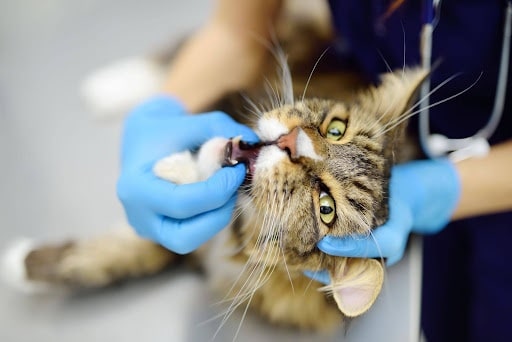
Your veterinarian carefully evaluates the teeth, gums, tongue, and other oral structures for signs of disease or abnormalities.
Dental Imaging
Dental X-rays help identify problems below the gumline that may not be visible during a routine examination.
Plaque and Tartar Removal
Specialized instruments are used to remove plaque and tartar from both above and below the gumline.
Tooth Polishing
Polishing smooths the tooth surfaces, helping reduce future plaque accumulation.
Periodontal Assessment
The veterinarian evaluates the health of the gums and supporting structures to identify any areas requiring treatment.
This thorough approach ensures that oral health issues are detected and addressed as early as possible.
How Often Should Pets Have Dental Cleanings?
The frequency of professional dental cleanings depends on several factors, including age, breed, genetics, diet, and overall oral health.
Some pets may benefit from annual dental cleanings, while others may require more frequent evaluations and treatments. Small-breed dogs, for example, are often more susceptible to dental disease due to the crowded nature of their teeth.
Your veterinarian can recommend an individualized dental care schedule based on your pet’s specific needs and risk factors.
At-Home Dental Care Complements Professional Cleanings
While professional cleanings are essential, at-home dental care also plays an important role in maintaining oral health between veterinary visits.
Effective home care strategies include:
Regular Tooth Brushing
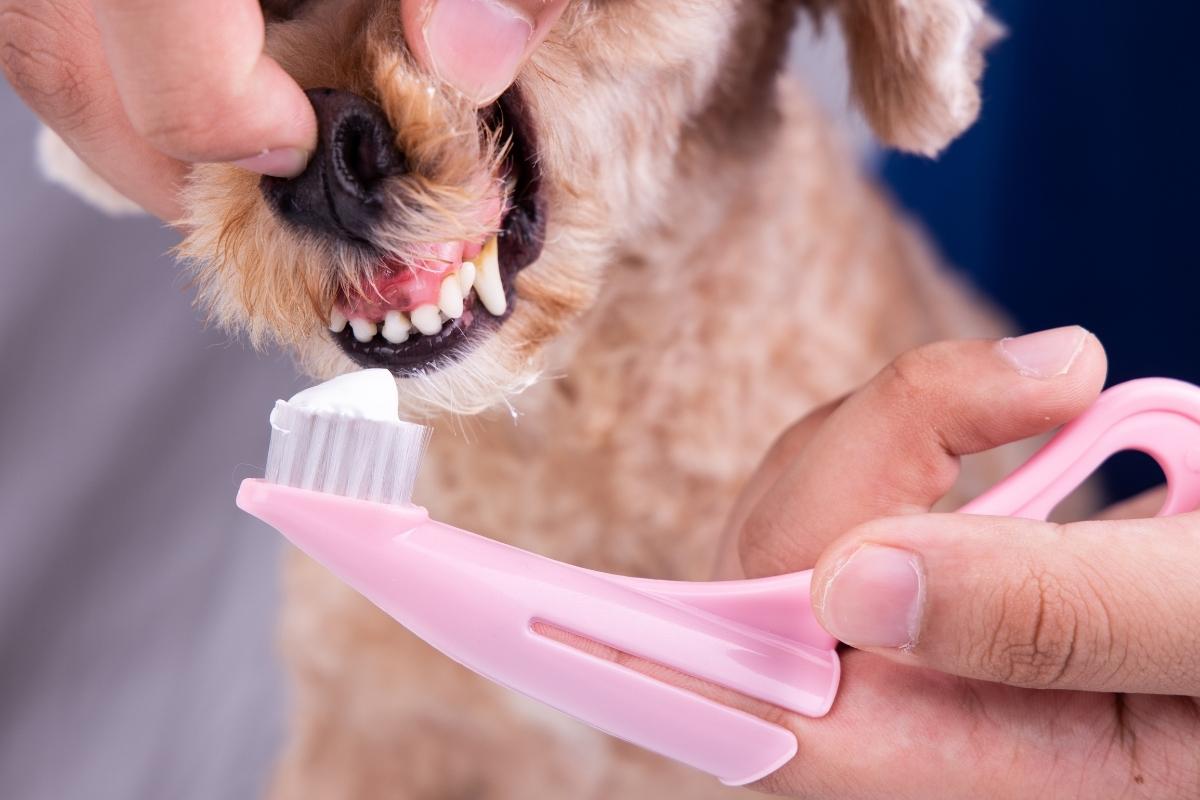
Brushing your pet’s teeth with pet-safe toothpaste remains one of the most effective ways to reduce plaque buildup.
Dental Chews
Certain dental chews can help reduce plaque and tartar accumulation when used appropriately.
Dental Diets
Some specially formulated diets are designed to support oral health and minimize plaque formation.
Routine Oral Checks
Regularly inspecting your pet’s mouth can help you spot potential issues before they become serious.
Combining home care with professional pet dental care in Chesapeake provides the best protection against dental disease.
Why Preventive Veterinary Care Includes Dental Health
Preventive veterinary care focuses on identifying and addressing health concerns before they become major problems. Dental care is a critical component of this proactive approach.
When dental disease is caught early, treatment is often simpler, less invasive, and more effective. Preventive dental care can help avoid costly procedures and improve long-term health outcomes.
By incorporating routine oral evaluations into your pet’s healthcare plan, you can help support their health throughout every stage of life.
Protecting Your Pet’s Smile for Years to Come
A healthy mouth contributes to a healthier, happier pet. Regular dental cleanings help prevent disease, reduce discomfort, preserve teeth, and support overall wellness. When combined with consistent at-home care and routine veterinary visits, professional dental services can make a meaningful difference in your pet’s quality of life.
If your pet has not had a recent dental evaluation, now is an excellent time to schedule an appointment and discuss their oral health needs with your veterinarian. Investing in preventive dental care today can help your companion enjoy a healthier future.
At Edinburgh Animal Hospital, we are committed to providing compassionate veterinary care and comprehensive dental services for pets throughout Chesapeake. Our experienced team works closely with pet owners to promote lifelong oral health and overall wellness, helping pets live comfortable and happy lives.
Frequently Asked Questions
1. Why is pet dental care important?
Ans: Pet dental care helps prevent plaque buildup, gum disease, tooth loss, and oral infections. Maintaining good oral health also supports your pet’s overall well-being and comfort.
2. How often should my pet receive a professional dental cleaning?
Ans: The recommended frequency varies depending on your pet’s age, breed, and oral health status. Your veterinarian can determine the most appropriate dental care schedule.
3. What are the signs of dental disease in pets?
Ans: Common signs include bad breath, swollen gums, excessive drooling, difficulty eating, loose teeth, and visible tartar buildup.
4. Can dental disease affect other parts of my pet’s body?
Ans: Yes. Harmful bacteria associated with dental disease can potentially enter the bloodstream and affect organs such as the heart, liver, and kidneys.
5. Is brushing my pet’s teeth really necessary?
Ans: Regular brushing is one of the most effective ways to reduce plaque accumulation and support long-term oral health between professional cleanings.
6. Does every pet need professional dental cleanings?
Ans: Most pets benefit from routine dental evaluations and professional cleanings as recommended by their veterinarian to maintain healthy teeth and gums throughout life.