
Keeping your pet’s teeth clean is one of the most important parts of preventive veterinary care. While many pet owners focus on nutrition, exercise, and grooming, dental health is often overlooked until bad breath, plaque buildup, or dental disease appears. Choosing the right toothbrush for your pet can make a major difference in maintaining healthy teeth and gums for years to come.
At Edinburgh Animal Hospital in Chesapeake, we encourage pet owners to establish a dental care routine early to help prevent painful oral conditions and costly dental treatments later in life. This guide will help you understand how to choose the best toothbrush for your dog or cat, what features to look for, and how to make brushing easier for both you and your pet.
Why Dental Care Matters for Pets
Dental disease is one of the most common health problems seen in dogs and cats. Plaque and tartar can begin accumulating on your pet’s teeth within days, eventually leading to:
- Bad breath
- Gum inflammation
- Tooth decay
- Pain while eating
- Tooth loss
- Bacterial infections that may affect the heart, liver, and kidneys
Regular brushing helps remove plaque before it hardens into tartar. Combined with professional veterinary dental exams, at-home brushing is one of the best ways to protect your pet’s overall health.
Does Your Pet Really Need a Toothbrush?
Many pet owners wonder whether dental chews or water additives are enough. While these products can support oral hygiene, they do not replace brushing. A toothbrush physically removes plaque from the teeth and gumline more effectively than most other dental products.
Using a toothbrush specifically designed for pets is also safer and more comfortable than using a standard human toothbrush. Pet toothbrushes are made with softer bristles, smaller heads, and shapes that fit your pet’s mouth more comfortably.
Types of Pet Toothbrushes
Choosing the right toothbrush starts with understanding the different types available.
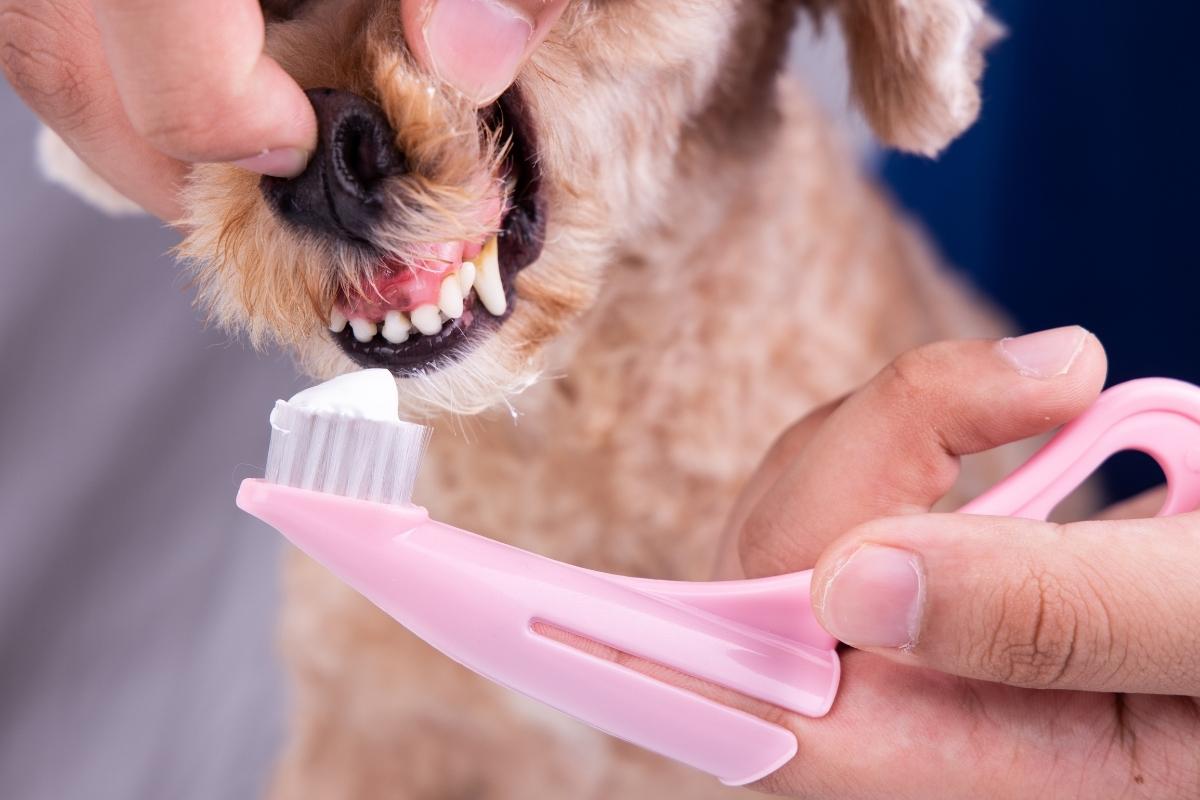
Finger Toothbrushes
Finger toothbrushes slip over your fingertip and allow more control while brushing. They are typically made from soft silicone or rubber materials.
Best For:
- Puppies and kittens
- Pets new to brushing
- Small dogs and cats
- Nervous or sensitive pets
Pros:
- Gentle on gums
- Easy to control
- Less intimidating for beginners
Cons:
- Less effective for deep cleaning
- Difficult for larger pets
- May wear out quickly
Finger brushes are often a good starting point when introducing your pet to dental care.
Double-Headed Pet Toothbrushes
These toothbrushes have two brush heads of different sizes on opposite ends. One side is larger for bigger teeth, while the smaller side works well for tight spaces.
Best For:
- Adult dogs
- Multi-pet households
- Pets with mixed tooth sizes
Pros:
- Versatile
- Reaches difficult areas
- Good for thorough cleaning
Cons:
- May feel bulky for small pets
- Requires practice for proper use
Many veterinarians recommend double-headed toothbrushes because they provide flexibility for different mouth sizes.
Electric Pet Toothbrushes
Electric toothbrushes designed for pets use vibration or rotation to remove plaque more efficiently.
Best For:
- Pets comfortable with brushing
- Large dogs
- Advanced dental care routines
Pros:
- Deep cleaning action
- May remove plaque faster
- Helpful for pets prone to tartar buildup
Cons:
- More expensive
- Noise may scare some pets
- Requires training and patience
Electric brushes can be effective, but not every pet tolerates the sound or sensation.
How to Choose the Best Toothbrush by Pet Size
Small Breed Dogs and Cats
Smaller pets need compact toothbrush heads with ultra-soft bristles. Large brushes may cause discomfort or make brushing difficult.
Look for:
- Small brush heads
- Flexible handles
- Soft silicone or nylon bristles
Finger brushes are often ideal for toy breeds and cats.
Medium Breed Dogs
Medium-sized dogs generally do well with standard double-headed pet toothbrushes. Choose one with an ergonomic handle for better control.
Look for:
- Medium brush head
- Comfortable grip
- Durable bristles
Large and Giant Breed Dogs
Larger dogs typically have stronger jaws and bigger teeth, requiring sturdier toothbrushes with larger brush heads.
Look for:
- Long handles
- Larger brush surfaces
- Strong but soft bristles
Electric toothbrushes may also work well for large dogs comfortable with brushing.
Soft Bristles Are Essential
One of the most important features of a pet toothbrush is soft bristles. Hard bristles can damage gum tissue and create discomfort, causing your pet to resist future brushing sessions.
Soft bristles help:
- Protect sensitive gums
- Remove plaque gently
- Create a more positive experience
If your pet’s gums bleed consistently during brushing, the toothbrush may be too rough or brushing technique may need adjustment.
Choosing the Right Toothpaste Matters Too
Never use human toothpaste on pets. Human toothpaste often contains ingredients like xylitol and fluoride that can be toxic to dogs and cats.
Instead, use veterinary-approved pet toothpaste in flavors pets enjoy, such as:
- Chicken
- Peanut butter
- Beef
- Seafood
Flavorful toothpaste can help make brushing feel more like a treat than a chore.
Tips for Introducing Your Pet to Toothbrushing
Many pets need time to adjust to brushing. Patience and consistency are key.
Start Slowly
Begin by letting your pet sniff and lick the toothbrush and toothpaste. Reward calm behavior with praise or treats.
Use Short Sessions
At first, brush only a few teeth for a few seconds. Gradually increase the duration over time.
Focus on the Outer Teeth
Plaque commonly accumulates on the outer surfaces of teeth, especially near the gumline. You do not need to brush the inside surfaces aggressively.
Create a Routine
Daily brushing is ideal, but even brushing several times per week can improve oral health significantly.
Signs You May Need Veterinary Dental Care
Even with regular brushing, some pets may still develop dental issues that require professional attention.
Watch for signs such as:
- Persistent bad breath
- Red or swollen gums
- Yellow or brown tartar buildup
- Drooling excessively
- Pawing at the mouth
- Difficulty chewing
- Loose teeth
If you notice any of these symptoms, it may be time to schedule a professional dental evaluation.
Professional Dental Exams Are Still Important
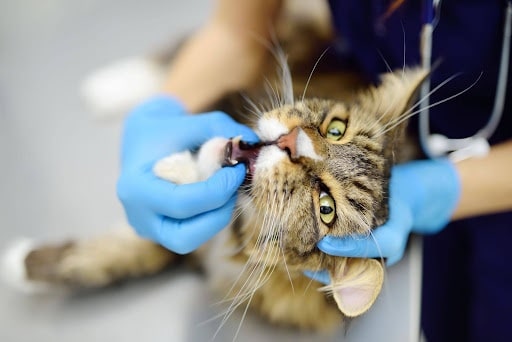
Toothbrushing is only one part of a complete dental care routine. Regular veterinary dental exams help identify hidden issues such as fractured teeth, infections, or periodontal disease.
Professional cleanings can remove tartar below the gumline where toothbrushes cannot reach. Your veterinarian can also recommend the best toothbrush and dental products based on your pet’s breed, age, and dental condition.
If your pet is showing signs of dental discomfort or needs a preventive oral health checkup, you can book an appointment with the veterinary team at Edinburgh Animal Hospital.
Common Toothbrushing Mistakes Pet Owners Should Avoid
Using Human Toothbrushes
Human toothbrushes are often too large or firm for pets and may cause discomfort.
Brushing Too Aggressively
Gentle circular motions work best. Scrubbing too hard can irritate the gums.
Skipping Routine Care
Waiting until dental disease develops makes treatment more difficult and expensive.
Ignoring Behavioral Signs
If your pet becomes anxious or fearful, slow down and make the experience more positive with rewards and encouragement.
Building Healthy Habits Early
The best time to start brushing your pet’s teeth is during puppyhood or kittenhood. Early exposure helps pets become comfortable with the process and creates lifelong healthy habits.
However, older pets can still learn to tolerate brushing with gradual training and positive reinforcement.
Consistency matters more than perfection. Even small improvements in your pet’s dental routine can contribute to better long-term health.
Final Thoughts
Choosing the best toothbrush for your pet depends on their size, comfort level, and dental needs. Whether you use a finger brush for a tiny kitten or an electric toothbrush for a large dog, the goal is the same: reducing plaque buildup and protecting your pet’s oral health.
A gentle approach, proper tools, and regular veterinary care can help your pet maintain healthy teeth and gums throughout their life. Investing in dental care today may help prevent pain, infections, and expensive treatments in the future.
FAQs
1. How often should I brush my pet’s teeth?
Ans: Daily brushing is ideal for preventing plaque and tartar buildup. If daily brushing is not possible, aim for at least three to four times per week.
2. Can I use a child’s toothbrush for my pet?
Ans: It is better to use a toothbrush specifically designed for pets. Pet toothbrushes have softer bristles and shapes made for animal mouths.
3. What type of toothbrush is best for puppies?
Ans: Finger toothbrushes are often best for puppies because they are gentle, easy to control, and less intimidating during training.
4. Are electric toothbrushes safe for dogs?
Ans: Yes, electric toothbrushes designed for pets can be safe and effective when introduced gradually. Some pets may need time to adjust to the vibration or sound.
5. What if my cat refuses toothbrushing?
Ans: Start slowly by allowing your cat to taste pet-safe toothpaste and get used to gentle mouth handling. Short, positive sessions usually work best.
6. How do I know if my pet has dental disease?
Ans: Signs may include bad breath, swollen gums, tartar buildup, drooling, trouble eating, or loose teeth. A veterinary exam can confirm the condition.