
Periodontal disease is one of the most common dental problems affecting dogs and cats. It develops gradually, often beginning with plaque that builds up along the gumline. Because pets may continue eating and behaving normally even when their mouths are uncomfortable, early dental problems can be easy to overlook.
Understanding how periodontal disease starts and progresses can help pet owners recognize changes in their companion’s oral health. Regular examinations and appropriate pet dental care can help identify problems before they become more advanced. If you are a pet owner in Chesapeake, knowing the signs and treatment options can make it easier to protect your pet’s teeth, gums, and overall well-being.
What Causes Periodontal Disease in Pets?
Periodontal disease begins when bacteria in the mouth combine with food particles and form a sticky film called plaque. Without proper cleaning, plaque can harden into tartar. Tartar provides a rough surface where additional bacteria can accumulate, allowing inflammation to develop around the gums.
The earliest stage is called gingivitis. At this point, the gums may become red, swollen, or sensitive. With appropriate care, early gum inflammation can often be managed before it progresses further.
Without treatment, bacteria and inflammation can move below the gumline and damage the tissues and structures that support the teeth. This progression is why regular dental examinations with a veterinarian are an important part of maintaining your pet’s oral health.
How Periodontal Disease Progresses
Periodontal disease typically develops in stages rather than appearing all at once. Understanding these stages can help pet owners recognize why ongoing dental care matters.
Stage 1: Plaque and Gingivitis
Plaque starts collecting on the teeth, particularly around the gumline. The gums may become mildly red or irritated. Bad breath can also develop.
Stage 2: Tartar and Gum Inflammation
As plaque hardens into tartar, inflammation becomes more noticeable. The gums may bleed more easily, and your pet may begin showing subtle changes when chewing.
Stage 3: Damage Below the Gumline
As periodontal disease advances, bacteria can affect the tissues and bone that support the teeth. Teeth may become loose, painful, or damaged. At this stage, professional treatment becomes increasingly important.
Stage 4: Advanced Dental Disease
Severe periodontal disease can result in significant tissue and bone loss, tooth loss, and oral infection. Pets may have difficulty chewing or may avoid certain foods because of discomfort.
Signs Your Pet May Have Periodontal Disease
Pets do not always make their dental discomfort obvious. Some signs may be subtle, so pet owners should regularly look at their companion’s mouth when possible.
Common signs include:
- Persistent bad breath
- Red, swollen, or bleeding gums
- Yellow or brown tartar on the teeth
- Excessive drooling
- Difficulty chewing
- Dropping food while eating
- Pawing at the mouth
- Loose or missing teeth
- Changes in eating habits
- Sensitivity around the mouth
Bad breath should not simply be considered a normal part of having a dog or cat. It can be an indication that plaque, tartar, gum inflammation, or another oral health problem needs attention.
How Is Periodontal Disease Diagnosed?
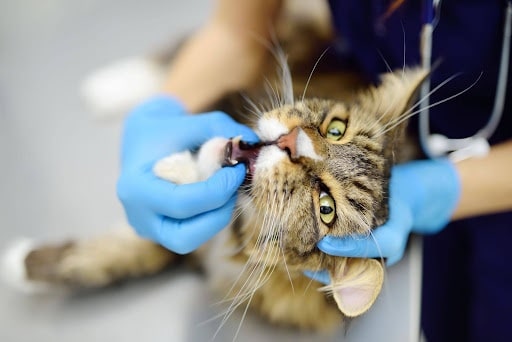
A veterinary dental examination begins with an evaluation of your pet’s teeth, gums, and mouth. Your vet near you may look for plaque, tartar, gum inflammation, damaged teeth, and other abnormalities.
Some dental problems cannot be identified by looking at the visible portion of the teeth alone. Dental X-rays can provide a more detailed view beneath the gumline and help identify issues involving tooth roots, bone, or hidden infection.
Edinburgh Animal Hospital provides digital dental X-rays as part of its dental care services, allowing the veterinary team to evaluate areas that may not be visible during a basic oral examination.
Treatment Options for Periodontal Disease
Treatment depends on the condition of your pet’s teeth and gums. Professional dental cleaning can remove plaque and tartar from the tooth surfaces and areas that are difficult to reach at home.
Scaling and Polishing
Scaling removes accumulated plaque and tartar from the teeth. Polishing helps smooth the tooth surfaces after cleaning, making it more difficult for plaque to accumulate.
Dental X-Rays
Digital X-rays can help the veterinary team assess areas beneath the gumline and identify hidden dental problems. This information can help determine which treatment is appropriate.
Tooth Extractions
When a tooth is severely damaged, diseased, or no longer adequately supported, extraction may be recommended. Removing a problematic tooth can help protect surrounding oral tissues and improve your pet’s comfort.
Gingival Biopsy
In certain situations, a gingival biopsy may be recommended to investigate abnormal gum tissue or other oral health concerns. Edinburgh Animal Hospital offers gingival biopsies as part of its comprehensive dental services.
How Can Pet Owners Support Better Dental Health?
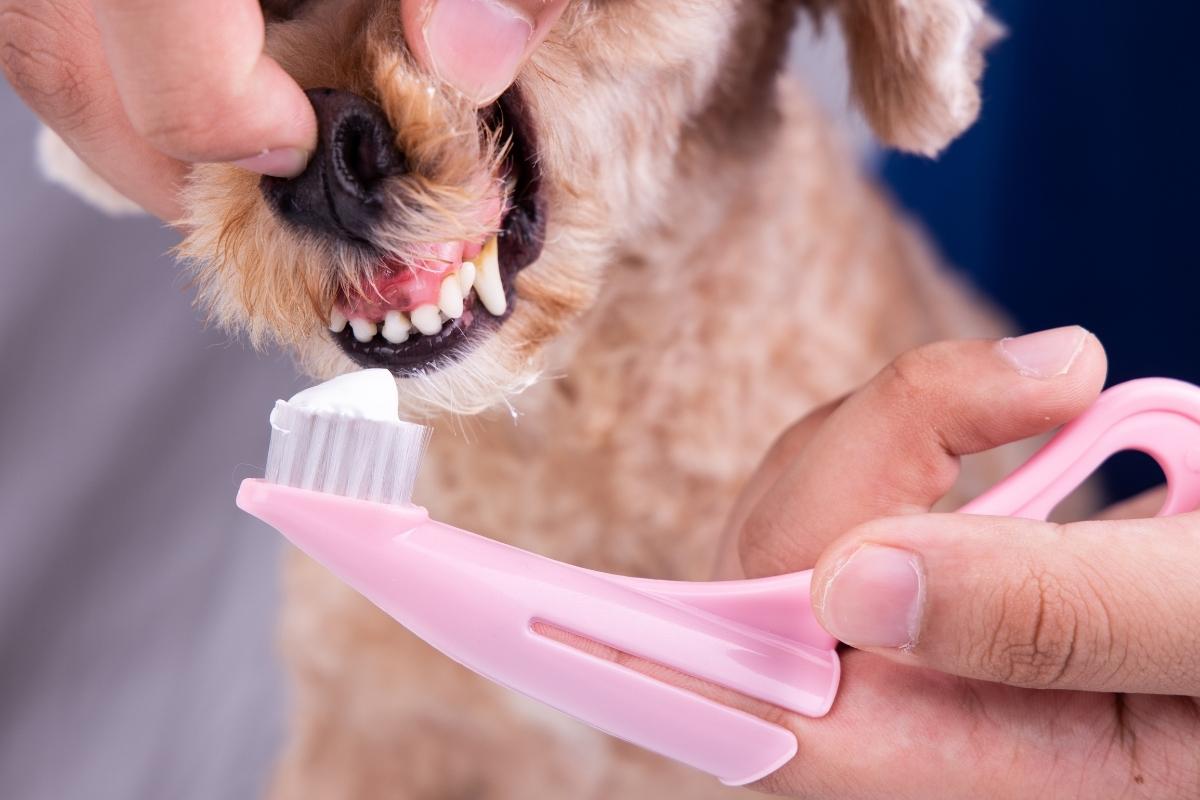
Professional dental care is only one part of maintaining good oral health. At home, pet owners can help reduce plaque buildup by establishing a consistent dental routine recommended by their veterinary team.
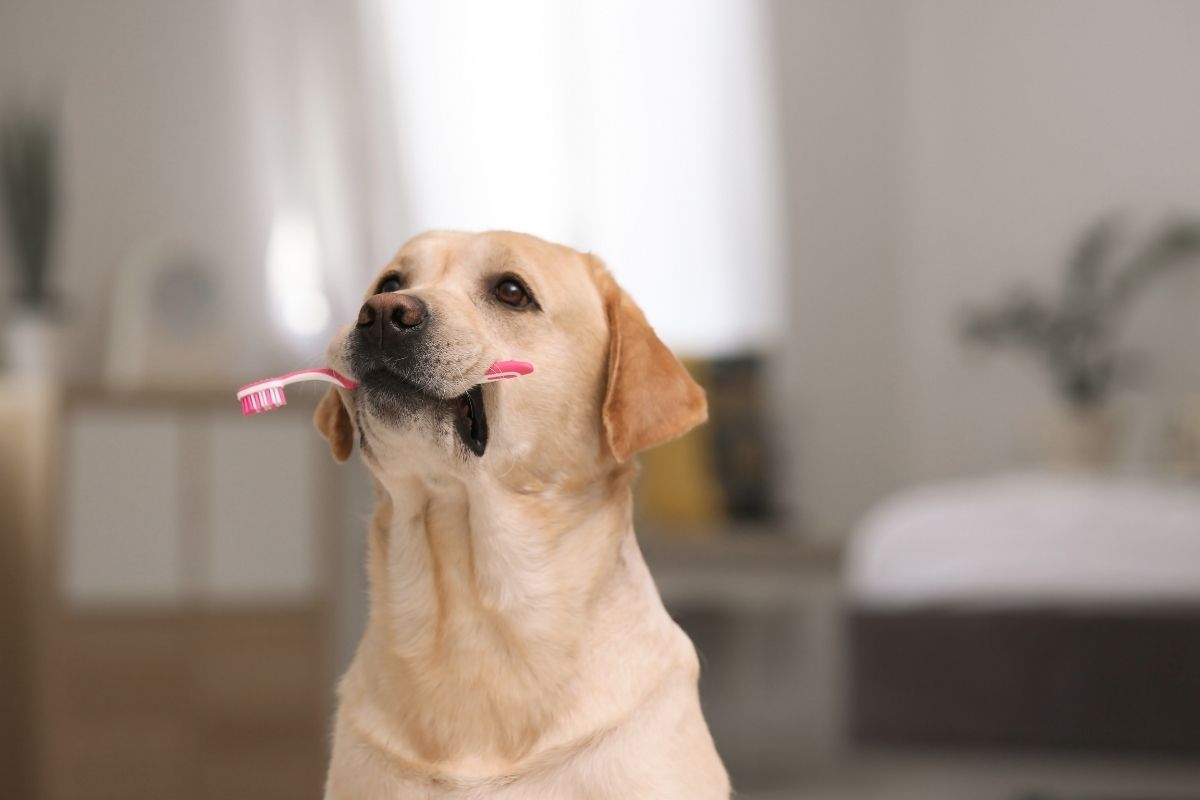
Depending on your pet’s individual needs, this may include regular toothbrushing with products designed specifically for pets. Routine oral checks can also help you notice changes such as bad breath, gum redness, tartar buildup, or damaged teeth.
Regular veterinary examinations are valuable because some dental problems develop beneath the gumline and may not be obvious at home. A vet can assess your pet’s oral health and recommend appropriate care based on their age, dental condition, and overall health.
Why Pet Dental Care Should Be Part of Routine Veterinary Care
Dental health plays an important role in your pet’s comfort and quality of life. Untreated periodontal disease can cause ongoing oral discomfort, tooth loss, and infection. Edinburgh Animal Hospital notes that poor dental health can also allow bacteria from the mouth to enter the bloodstream and potentially affect other parts of the body.
For pet owners searching for veterinary care in Chesapeake, routine dental examinations provide an opportunity to identify oral health concerns before they become more advanced. Combining professional cleanings with appropriate at-home care can support healthier teeth and gums throughout your pet’s life.
Supporting Your Pet’s Long-Term Dental Health
Periodontal disease can develop gradually, but recognizing the early signs gives pet owners an opportunity to address oral health concerns sooner. Consistent home dental care, professional examinations, and appropriate treatment can all contribute to healthier teeth and gums.
If you notice changes in your pet’s breath, gums, teeth, or eating habits, speaking with a veterinarian can help determine whether a dental evaluation is appropriate. Edinburgh Animal Hospital provides comprehensive dental services for dogs and cats in Chesapeake, including professional cleanings, digital dental X-rays, scaling and polishing, extractions, and gingival biopsies.
If your pet needs an oral health evaluation or ongoing pet dental care, schedule an appointment with our animal hospital to discuss your pet’s dental needs with the veterinary team.
Frequently Asked Questions
1. What is periodontal disease in dogs and cats?
Ans: Periodontal disease is an inflammatory condition affecting the gums and supporting structures around the teeth. It usually begins with plaque and can progress when plaque hardens into tartar and bacteria move below the gumline.
2. What are the early signs of periodontal disease?
Ans: Early signs may include bad breath, mild gum redness, plaque buildup, and tartar around the gumline. Some pets may show few noticeable changes, which is why routine dental examinations are important.
3. Can periodontal disease be treated?
Ans: Yes. Treatment depends on how advanced the condition is. Professional dental cleaning, scaling, polishing, dental X-rays, and extractions may be recommended depending on your pet’s oral health needs.
4. Can brushing prevent periodontal disease?
Ans: Regular brushing can help reduce plaque accumulation, but it does not replace professional dental examinations. Your veterinarian can recommend an appropriate home dental routine for your pet.
5. When should my pet receive a dental examination?
Ans: Your pet should receive a dental examination as part of routine veterinary care. You should also contact a veterinary professional if you notice persistent bad breath, swollen or bleeding gums, tartar, loose teeth, difficulty chewing, or other changes involving the mouth.
6. Where can I find pet dental care in Chesapeake?
Ans: Pet owners looking for pet dental care in Chesapeake can consult a veterinary team that provides comprehensive oral examinations and professional dental services. Edinburgh Animal Hospital offers dental cleanings, digital dental X-rays, scaling and polishing, extractions, and gingival biopsies.