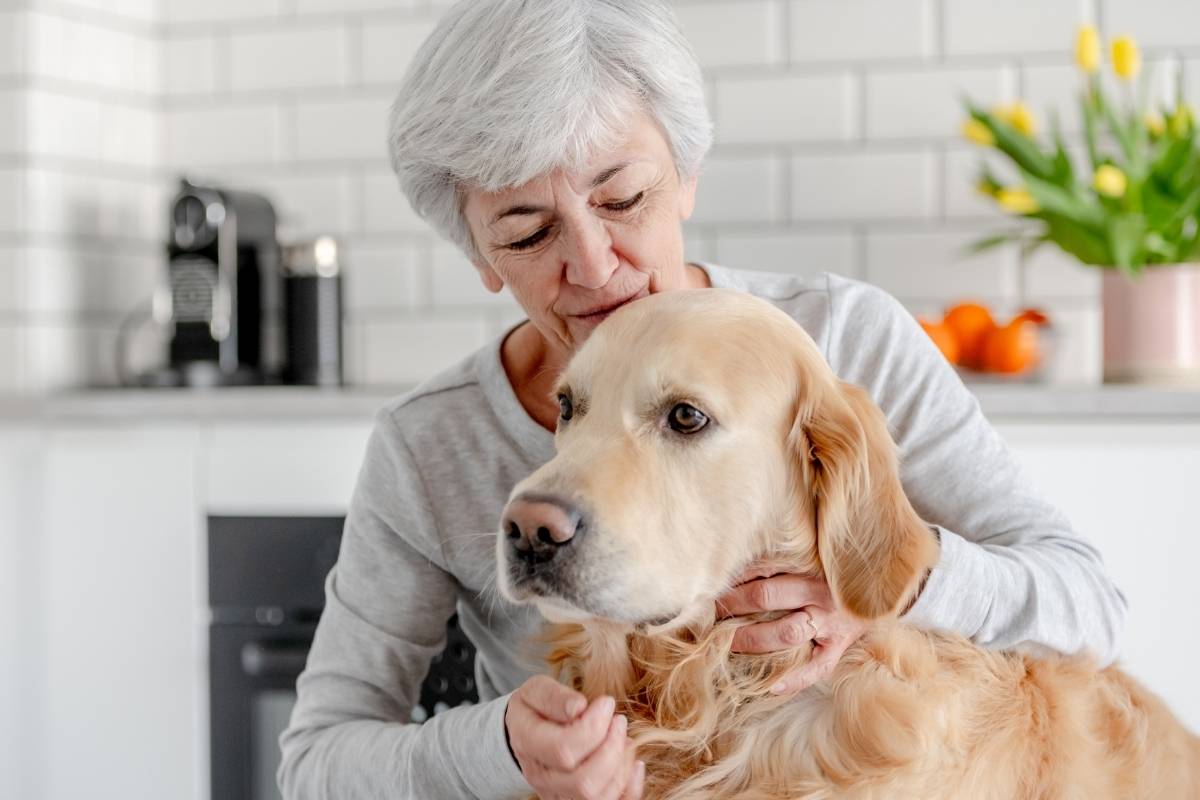


Watching a beloved dog grow older brings both wonderful memories and new responsibilities. Their pace may slow, but staying strong remains important. Older dogs naturally experience physical changes that can affect muscle mass, strength, balance, and mobility. However, aging does not mean weakness is unavoidable.
Supporting senior pet wellness requires appropriate exercise, balanced nutrition, weight management, and regular veterinary care. Small daily habits can make a meaningful difference.
Understanding these changes also helps you recognize when your dog needs additional veterinary support.
Why Do Senior Dogs Lose Muscle Mass?
Age-related muscle loss in dogs is often called sarcopenia. It causes gradual reductions in muscle mass and strength. The change may become especially noticeable around the hind legs, hips, shoulders, and spine. Your dog may appear thinner despite maintaining weight.
Aging can also reduce activity levels. Less movement means muscles receive less regular stimulation. Joint discomfort may further discourage exercise. Dogs experiencing stiffness often avoid stairs, jumping, running, or longer walks.
However, significant muscle loss should never automatically be blamed on aging. Certain illnesses can also cause weakness or muscle wasting. Kidney disease, cancer, hormonal disorders, neurological conditions, and chronic pain may contribute to physical changes. A veterinary examination can help identify the cause.
What Are the Signs of Muscle Loss in an Older Dog?
Muscle changes can develop gradually, making them easy to overlook. Regularly watching your dog move can reveal important differences.
Possible signs include:
- More prominent bones around the hips or spine
- Thinner hind legs
- Difficulty standing after resting
- Hesitation before climbing stairs
- Reduced interest in longer walks
- Difficulty jumping onto furniture
- Slower walking speed
- Increased tiredness after activity
- Changes in balance or stability
- Difficulty maintaining normal posture
These signs deserve attention, especially when they appear suddenly or continue worsening.
A veterinarian can determine whether normal aging, pain, illness, or another condition may be involved.
How Can Exercise Help Maintain Your Senior Dog’s Muscles?
Regular movement remains important throughout a dog’s senior years. Exercise helps maintain muscles while supporting mobility, weight control, and mental stimulation.
The goal is consistency rather than intensity. An older dog usually benefits more from controlled activity than occasional strenuous exercise.
Choose Short, Regular Walks
Walking provides accessible, low-impact movement for many older dogs. Consider several shorter walks instead of one exhausting outing.
Let your dog establish a comfortable pace. Avoid forcing them to match the activity levels they managed when younger.
Watch for limping, excessive panting, slowing, or reluctance to continue. These signs may indicate that the activity needs adjustment.
Consider Low-Impact Activities
Some dogs benefit from activities that reduce stress on aging joints. Controlled swimming may provide exercise without repeated impact.
Veterinary rehabilitation exercises may also help selected dogs. These programs can target strength, balance, flexibility, and mobility.
Always discuss new exercise routines with your veterinarian first. Your dog’s medical history should guide the appropriate activity level.
Does Nutrition Affect Muscle Strength in Senior Dogs?
Nutrition plays an important role in maintaining muscle tissue. Protein provides amino acids needed for maintaining and repairing body tissues.
Older dogs may have different nutritional requirements than younger adults. However, simply purchasing food labeled “senior” does not guarantee suitability.
Your dog’s diet should reflect their weight, activity, medical conditions, and nutritional needs.
For muscle health, your veterinarian may assess protein intake alongside calories and overall diet quality.
Never significantly increase or restrict nutrients without veterinary guidance. Dogs with certain medical conditions may require carefully formulated diets.
Fresh water should also remain easily accessible throughout the day.
Keep Your Senior Dog at a Healthy Body Weight
Body weight and muscle mass are not the same thing. An overweight dog can still experience significant muscle loss. Excess body fat also places additional pressure on aging joints. This pressure may make comfortable movement more difficult.
Conversely, unexplained weight loss deserves veterinary attention. It can accompany muscle loss, poor nutrition, dental problems, or underlying disease. Ask your veterinarian to assess your dog’s body condition and muscle condition during wellness visits.
These assessments provide more information than body weight alone.
Support Comfortable Movement Around Your Home
Your dog’s home environment can influence how confidently they continue moving. Slippery flooring can become challenging when hind-leg strength decreases. Rugs or nonslip mats can provide additional traction.
Ramps may make cars, beds, or other elevated areas easier to access. Consider blocking dangerous staircases if balance becomes unreliable.
Keep food, water, and sleeping areas conveniently accessible. Comfortable bedding can also make resting easier for stiff dogs. These adjustments encourage safe independence without requiring unnecessary physical strain.
Do Joint Problems Affect Muscle Mass?
Joint discomfort and muscle loss often influence each other. A painful dog moves less, causing muscles to receive less stimulation. Weaker muscles can then provide less support during movement. This cycle may gradually reduce mobility.
Signs of joint discomfort can include stiffness, limping, reluctance to jump, and difficulty standing. Do not give human pain medications without veterinary instructions. Several common human medications can be dangerous for dogs.
Veterinary treatment may help manage discomfort and support safer activity when joint disease is present.
Why Are Senior Wellness Visits Important?
Changes in strength may provide valuable information about your dog’s overall health. Routine veterinary visits allow changes in weight, muscle condition, mobility, and general health to be tracked over time.
Your veterinarian may recommend diagnostic testing when physical changes suggest an underlying concern. At our animal hospital, senior pet care includes veterinary support for aging pets in Chesapeake.
The veterinary team can evaluate your dog’s changing needs and discuss appropriate preventive care, diagnostics, nutrition, and mobility support. Early evaluation can be especially valuable when changes appear suddenly. Prompt attention may identify conditions that require treatment or monitoring.
When Should Muscle Loss Become a Concern?
Gradual changes can accompany aging, but noticeable weakness should not simply be ignored.
Schedule a veterinary examination if your dog:
- Loses muscle rapidly
- Develops sudden weakness
- Struggles to stand
- Begins limping
- Falls or loses balance
- Stops enjoying normal activities
- Experiences unexplained weight loss
- Shows appetite changes
- Appears painful during movement
Your knowledge of your dog’s normal behavior matters. Even subtle changes can provide useful information during a veterinary examination.
Help Your Senior Dog Stay Strong and Comfortable
Growing older changes what your dog needs, but it does not change how deeply they are loved. Supporting senior dog muscle health starts with attentive observation, appropriate movement, balanced nutrition, and consistent veterinary care.
Small adjustments can help your companion remain active and comfortable throughout their senior years. Edinburgh Animal Hospital provides senior pet care for dogs and cats throughout Chesapeake and surrounding communities.
Schedule a senior wellness visit to discuss your dog’s mobility, nutrition, muscle condition, and changing health needs.
Frequently Asked Questions
1. Can an old dog rebuild lost muscle?
Ans: Some senior dogs may improve strength and muscle condition with appropriate nutrition and controlled exercise. Results depend on their overall health. A veterinarian should first identify possible medical or mobility problems contributing to muscle loss.
2. What exercises help strengthen an older dog’s back legs?
Ans: Controlled walking and veterinarian-recommended strengthening exercises may help. Some dogs may also benefit from supervised swimming or rehabilitation. The safest exercises depend on joint health, balance, cardiovascular health, and existing medical conditions.
3. How much exercise should a senior dog get each day?
Ans: There is no single exercise target suitable for every senior dog. Breed, age, health, fitness, and mobility affect appropriate activity levels. Regular, manageable exercise is usually preferable to strenuous sessions.
4. Should senior dogs eat more protein?
Ans: Healthy older dogs often need adequate high-quality protein to maintain muscle tissue. However, nutritional needs vary between individual dogs. Ask your veterinarian before changing protein levels, especially when your dog has an existing medical condition.
5. Why are my senior dog’s back legs becoming thin?
Ans: Age-related muscle loss can make the hind legs appear thinner. Arthritis, neurological problems, illness, or reduced activity can also contribute. A veterinary examination can help determine the underlying cause.
6. How can I tell whether my senior dog is losing muscle or weight?
Ans: Muscle loss often makes the spine, hips, shoulders, or legs appear more prominent. Weight measurements alone may not reveal these changes. Veterinarians can assess both body condition and muscle condition during examinations.
7. Can supplements help an older dog maintain muscle?
Ans: Certain supplements may support some senior dogs, depending on their individual needs. Supplements should not replace balanced nutrition or veterinary treatment. Ask your veterinarian before introducing supplements because ingredients and appropriate dosages vary.