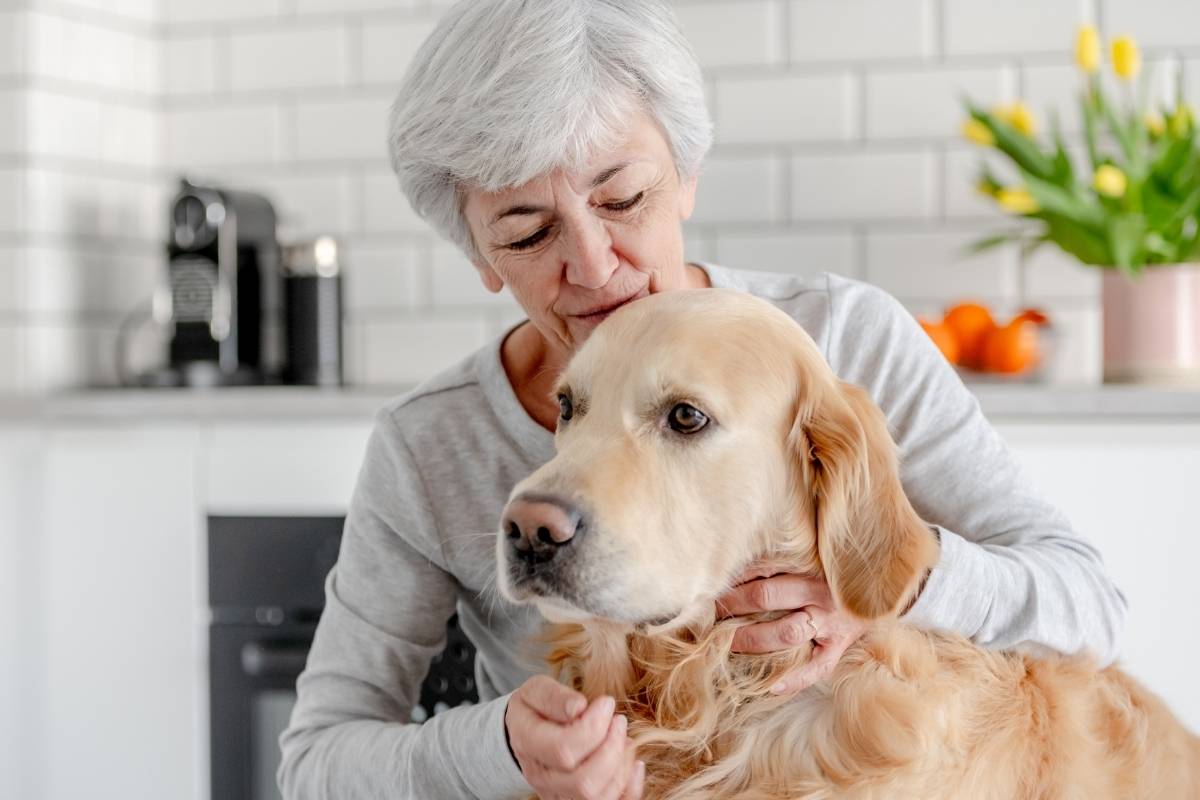


As dogs grow older, maintaining a healthy weight becomes an important part of senior pet care in Chesapeake. A balanced body weight can support mobility, energy, joint comfort, and overall wellness, helping senior dogs enjoy a better quality of life as they age.
Why Healthy Weight Matters for Senior Dogs
Aging naturally brings changes to a dog’s metabolism, activity level, and body composition. Many senior dogs become less active than they were during their younger years, while their nutritional needs may also change. If food portions remain the same despite decreased activity, a dog may gradually gain excess weight.
Carrying extra weight can put additional stress on the joints, muscles, heart, and other body systems. For an older dog, this added strain may make everyday activities such as walking, climbing stairs, standing, or getting up from a resting position more difficult.
On the other hand, being underweight can also be concerning. Older dogs may lose muscle mass as they age, and inadequate nutrition can contribute to weakness and reduced physical resilience. For these reasons, maintaining an appropriate body condition is an important part of senior pet care near you.
How Excess Weight Can Affect an Aging Dog
Extra pounds can have a greater impact on senior dogs than many pet owners realize. Even a modest amount of excess weight can increase the workload placed on aging joints.
Increased Joint Stress
Senior dogs may already experience age-related changes in their joints. Carrying additional body weight can increase pressure on these areas and make movement less comfortable.
Reduced Mobility
An overweight dog may be less willing to walk, play, or move around the house. Reduced activity can then contribute to additional weight gain, creating a cycle that can be difficult to break.
Lower Energy Levels
Excess weight can make physical activity more demanding. A senior dog may tire more quickly or show less interest in activities that once brought them excitement.
Greater Strain on the Body
Maintaining a healthy body condition can help reduce unnecessary physical demands on an aging dog’s body. A veterinarian can assess your dog’s weight, muscle condition, and overall health to determine whether changes are appropriate.
Recognizing a Healthy Body Condition in Senior Dogs
A healthy weight is not determined by a number on the scale alone. Two dogs of the same breed and weight can have very different body compositions depending on their age, size, muscle mass, and individual health needs.
Pet owners can look for several general indicators of appropriate body condition. When viewed from above, a dog’s waist should typically be visible behind the ribs. From the side, the abdomen should have some upward tuck rather than hanging straight down.
You should also be able to feel the ribs without pressing through a thick layer of fat. However, the ribs should not be prominently visible unless your veterinarian has determined that this is appropriate for your dog’s individual condition.
Because senior dogs can lose muscle as they age, regular veterinary assessments are especially helpful. A veterinary professional can distinguish between healthy weight loss and unwanted loss of muscle or body condition.
Nutrition and Portion Control for Older Dogs
Managing food portions is one of the most practical ways to support a healthy weight. Treats, table scraps, dental chews, and other extras can add more calories than pet owners realize.
Instead of estimating portions, follow the feeding recommendations provided for your dog’s individual needs and discuss adjustments with your veterinarian. Your dog’s ideal amount of food may change as activity levels, metabolism, and health needs change.
Senior dogs may also benefit from a nutrition plan that considers their overall condition rather than focusing only on calorie intake. Factors such as muscle maintenance, digestion, activity level, and existing age-related changes can all influence nutritional needs.
Exercise for Healthy Senior Dogs
Regular, appropriate activity can help senior dogs maintain muscle strength and support healthy weight management. However, exercise should be adjusted to your dog’s age, physical condition, and mobility.
Short, consistent walks may be more comfortable than long or strenuous outings. Gentle play, supervised movement, and other low-impact activities can also provide opportunities for physical activity without unnecessarily overworking an aging dog.
If your senior dog suddenly becomes reluctant to walk, has difficulty standing, or shows a significant change in activity level, talk with a veterinarian. A change in mobility should not automatically be dismissed as a normal part of aging.
How Regular Veterinary Care Supports Senior Weight Management
Weight management is most effective when it is part of a broader senior wellness plan. Regular veterinary visits allow your dog’s body condition, muscle mass, nutrition, mobility, and overall health to be monitored over time.
A veterinarian can help establish a realistic target weight and recommend appropriate dietary or lifestyle adjustments. Follow-up assessments can also determine whether the plan is working or needs to be modified.
For pet owners searching for senior pet care near you, choosing a veterinary team that understands the changing needs of aging dogs can make weight management easier and more personalized.
Supporting Your Senior Dog at Home
Small daily habits can make a meaningful difference in an older dog’s comfort. Measure meals carefully, keep treats moderate, encourage appropriate physical activity, and monitor changes in body shape and behavior.
It can also help to keep a simple record of your dog’s weight and activity. Gradual changes may be difficult to notice from day to day, but tracking them over time can help you identify trends and discuss them with your veterinarian.
If you’re looking for a veterinary hospital near you, regular wellness visits can provide an opportunity to discuss your senior dog’s weight, nutrition, activity, and changing needs.
Help Your Senior Dog Enjoy a Healthier, More Comfortable Life
A healthy weight is an important part of helping senior dogs remain active, comfortable, and engaged in daily life. With appropriate nutrition, regular activity, careful monitoring, and ongoing veterinary guidance, pet owners can take meaningful steps toward supporting their dog’s wellness throughout the senior years.
If you’re looking for dependable senior pet care in Chesapeake, schedule an appointment with our animal hospital to discuss your dog’s individual wellness and weight-management needs. At Edinburgh Animal Hospital, our team is committed to helping senior pets receive thoughtful, personalized care as they move through every stage of aging.
FAQs
1. Why is maintaining a healthy weight important for senior dogs?
Ans: A healthy weight can reduce unnecessary stress on aging joints and support mobility, activity, and overall wellness. Both excess weight and unintended weight loss can affect an older dog’s quality of life.
2. How can I tell if my senior dog is overweight?
Ans: You may be able to feel your dog’s ribs without pressing firmly and see a noticeable waist when looking from above. However, body condition varies between individual dogs, so a veterinary assessment is the best way to determine an appropriate weight.
3. Should I reduce my senior dog’s food as they age?
Ans: Not necessarily. Senior dogs can have different nutritional and calorie requirements depending on their activity level, body condition, muscle mass, and health. Talk with your veterinarian before making significant changes to your dog’s diet.
4. What type of exercise is best for an older dog?
Ans: Gentle, consistent activities such as short walks may be appropriate for many senior dogs. Exercise should be tailored to your dog’s physical abilities, and any new or worsening mobility concerns should be discussed with a veterinarian.
5. Can an overweight senior dog safely lose weight?
Ans: Many senior dogs can benefit from gradual, veterinarian-guided weight management. Rapid or unplanned weight loss is not appropriate, particularly in an older dog, so a customized plan is important.
6. How often should my senior dog’s weight be checked?
Ans: Your veterinarian can recommend an appropriate schedule based on your dog’s age, health, activity level, and current body condition. Regular monitoring can help identify gradual changes before they become more significant.