

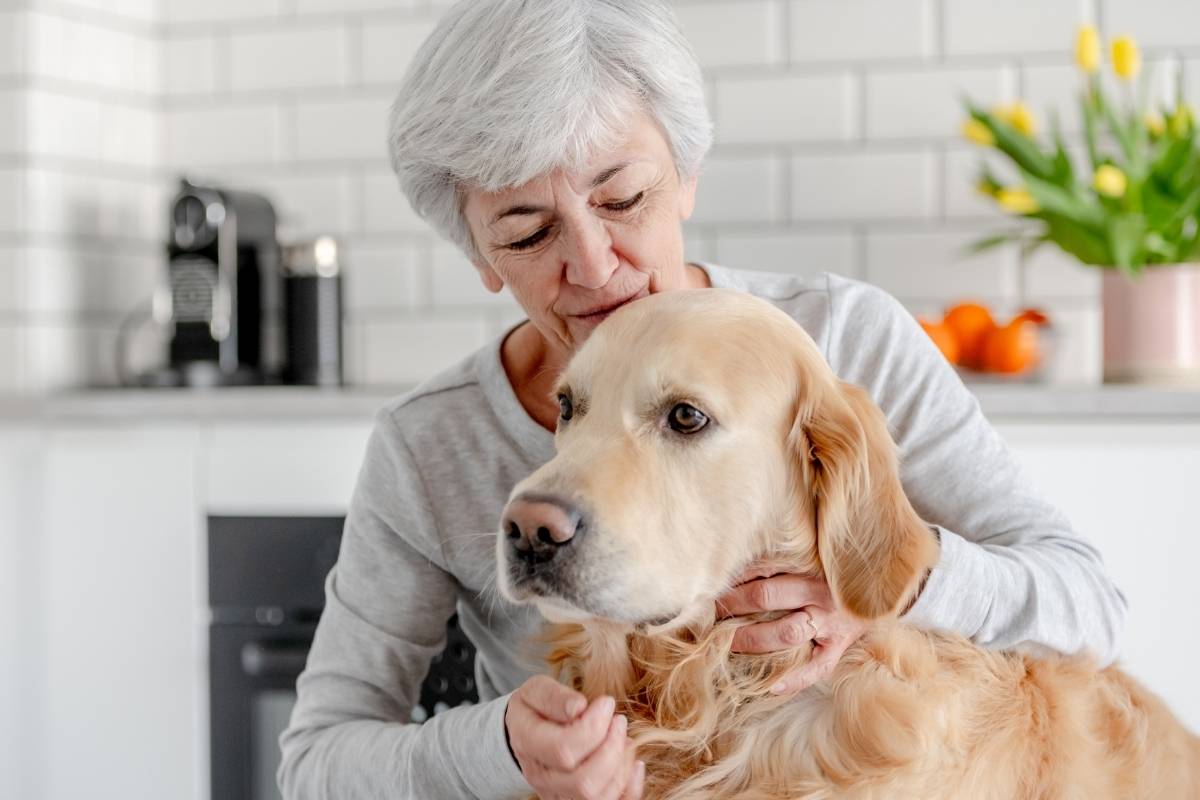
As pets grow older, their physical health is not the only aspect that needs attention. Mental wellbeing becomes equally important for ensuring they enjoy a happy, comfortable, and fulfilling life. Senior pets often experience cognitive changes, reduced energy levels, and increased sensitivity to their surroundings. With the right activities and consistent care, pet owners can help aging pets stay mentally active and emotionally balanced.
At Edinburgh Animal Hospital in Chesapeake, experienced veterinarians understand the importance of senior pet mental health and guide families on how to improve quality of life through simple, engaging routines and professional care. If you notice changes in behavior or cognition, it is always best to schedule an appointment with a trusted vet for proper evaluation and guidance.
Understanding Mental Wellbeing in Senior Pets
Mental wellbeing in pets refers to their emotional health, cognitive function, and ability to interact with their environment. As pets age, they may develop signs of cognitive decline, often similar to dementia in humans. This can include confusion, anxiety, disrupted sleep cycles, or decreased interest in activities they once enjoyed.
Maintaining mental stimulation helps slow down these changes and supports better emotional balance. Regular interaction, structured routines, and enrichment activities play a key role in keeping the aging mind active.
Why Mental Stimulation Matters for Aging Pets
Mental stimulation is essential because it helps maintain brain function and reduces stress or boredom. Senior pets that remain mentally engaged often show fewer behavioral issues and improved mood stability.
Key benefits include:
Improved cognitive function and memory retention
Reduced anxiety and stress levels
Better sleep patterns and daily routine adaptation
Stronger bond between pet and owner
Enhanced overall quality of life
Veterinarians often emphasize that mental health is just as important as physical health in senior pets, and both should be addressed together for optimal care.
Interactive Play for Mental Engagement
Even as pets age, they still enjoy playtime, although it may need to be adjusted for their energy levels. Interactive play helps stimulate problem solving skills and keeps their minds alert.
Examples of gentle interactive play include:
Slow paced fetch sessions with soft toys
Hide and seek games using treats
Light tug of war with soft toys for dogs
Chasing slow moving laser pointers for cats under supervision
These activities encourage focus and curiosity without causing physical strain.
Puzzle Toys and Food Enrichment
Food based enrichment is one of the most effective ways to keep senior pets mentally engaged. Puzzle feeders and treat dispensing toys challenge pets to think and work for their reward, which helps stimulate their brain.
Benefits of food enrichment include:
Slower eating habits which improve digestion
Increased mental engagement during meal times
Reduced boredom related behaviors such as excessive barking or scratching
Encouragement of natural problem solving instincts
You can also hide small portions of food around the house to create a gentle scavenger hunt experience.
Gentle Training Sessions for Mental Sharpness
Training should not stop when pets become seniors. In fact, short and gentle training sessions can help maintain obedience, focus, and mental sharpness.
Simple commands like sit, stay, or come can be practiced in short five to ten minute sessions. Positive reinforcement is key, using treats, praise, or affection as rewards.
These sessions also strengthen communication between pets and their owners, creating a sense of security and trust.
Sensory Enrichment Activities
Senior pets often benefit from sensory based stimulation, which engages their senses of smell, hearing, and touch.
Ideas include:
Introducing new safe scents like lavender or chamomile
Playing calming music designed for pets
Providing textured toys or blankets for tactile comfort
Allowing supervised outdoor sniffing time for dogs
Sensory enrichment is especially helpful for pets experiencing mild cognitive decline, as it helps ground them in their environment.
Social Interaction and Companionship
Social interaction is an important part of mental wellbeing. Spending quality time with family members or other gentle pets can help reduce loneliness and anxiety.
Activities may include:
Quiet cuddle time on the couch
Supervised playdates with calm pets
Gentle grooming sessions
Sitting together in a peaceful outdoor space
However, it is important to monitor interactions to ensure senior pets do not feel overwhelmed or stressed.
Routine and Environmental Stability
Senior pets thrive on consistency. A stable routine helps reduce confusion and anxiety, especially in pets experiencing cognitive changes.
Maintaining regular feeding times, walking schedules, and sleep routines helps create a sense of predictability. Keeping the home environment calm and familiar also supports emotional stability.
Sudden changes should be avoided whenever possible, as they may cause stress in older pets.
When to Consult a Veterinarian
If you notice signs such as disorientation, increased anxiety, changes in sleep patterns, or loss of interest in activities, it is important to consult a vet. These may be early indicators of cognitive dysfunction or other age related conditions.
The veterinarians at Edinburgh Animal Hospital in Chesapeake can assess your pet’s condition and recommend personalized strategies to support mental and physical health. In some cases, medical treatment or dietary adjustments may also be needed.
Do not delay care if symptoms worsen. It is always a good idea to schedule an appointment for a full evaluation.
Conclusion
Senior pets can continue to enjoy a rich and fulfilling life when their mental wellbeing is prioritized. Through interactive play, sensory enrichment, gentle training, and consistent routines, pet owners can greatly improve their pets’ happiness and cognitive health.
With proper guidance from experienced veterinarians at Edinburgh Animal Hospital, aging pets can receive the support they need to stay active in mind and spirit. Regular checkups and early intervention play a crucial role in maintaining long term wellbeing.
Frequently Asked Questions
1. What are the signs of cognitive decline in senior pets?
Ans: Common signs include confusion, disorientation, changes in sleep patterns, reduced interaction, and anxiety. If these symptoms appear, consult a vet.
2. How often should I engage my senior pet in mental activities?
Ans: Short daily sessions are ideal. Even 10 to 20 minutes of mental stimulation each day can make a significant difference.
3. Are puzzle toys safe for older pets?
Ans: Yes, puzzle toys are safe as long as they are appropriate for the pet’s size and ability. Always supervise initial use.
4. Can senior pets still learn new tricks?
Ans: Yes, senior pets can learn new commands and tricks. Training should be gentle, short, and based on positive reinforcement.
5. When should I take my senior pet to a veterinarian for behavior changes?
Ans: If you notice sudden behavioral changes, confusion, or loss of interest in daily activities, you should schedule an appointment with a vet as soon as possible.
6. Do senior pets need social interaction?
Ans: Yes, social interaction helps reduce loneliness and supports emotional wellbeing. However, interactions should be calm and comfortable for the pet.