
Hearing that your dog or cat needs surgery can leave you with several questions. Will the procedure be safe? How long will recovery take? Is there more than one way to treat the problem? These concerns are understandable, especially when your pet’s health and comfort are involved.
Veterinarians do not choose surgical services based on the condition alone. They consider the pet’s age, overall health, diagnosis, and the expected benefits and risks of each approach. A procedure that works well for one animal may not be appropriate for another.
For pet owners in Chesapeake, understanding how these decisions are made can make the surgical process less overwhelming. This guide explains what veterinarians evaluate before recommending surgery, how different techniques are selected, and what helps pets recover safely.
Why Does Choosing the Right Surgical Technique Matter?
Every invasive procedure has a specific purpose. Some operations remove diseased tissue, while others repair injuries, correct abnormalities, or address conditions that interfere with normal body functions.
The technique a veterinarian selects affects how the procedure is performed, which tissues are involved, and what recovery may require.
Choosing an appropriate approach helps veterinarians:
- Address the underlying medical problem.
- Limit unnecessary damage to surrounding tissues.
- Manage bleeding and other risks.
- Plan anesthesia and pain control.
- Support proper wound healing.
- Reduce the likelihood of avoidable complications.
For example, removing a small skin growth involves different considerations than removing an intestinal obstruction. Both procedures require careful planning, but the location, complexity, and potential complications differ.
The goal is not simply to complete the operation. It is to select a method that addresses the pet’s condition while considering their safety and long-term health.
What Factors Do Veterinarians Consider Before Choosing a Surgical Technique?
A recommendation usually follows a detailed evaluation. Veterinarians gather information about the pet’s condition and determine which approach offers an appropriate balance of benefits and risks.
The Pet’s Diagnosis and Severity of the Condition
The medical problem is one of the primary factors influencing decisions. A superficial wound may require cleaning and sutures. A deep wound involving underlying tissues may need more extensive repair. Similarly, a small growth beneath the skin may be relatively straightforward to remove, while a tumor near important nerves or blood vessels may require a more complex approach.
Veterinarians assess the location, size, and severity of the problem before determining how to proceed. They also consider whether surgery is necessary immediately or whether additional testing or other treatment options should be explored first.
Age and Overall Health
Age alone does not determine whether a pet can undergo surgery. However, it can influence the precautions needed. A healthy young dog undergoing a routine procedure may have different anesthetic and recovery needs than an older dog with heart or kidney disease.
Before recommending surgery, veterinarians evaluate factors such as:
- Heart and respiratory health
- Kidney and liver function
- Body weight and nutritional condition
- Existing medical conditions
- Current medications
- Previous reactions to anesthesia
These findings help determine whether additional precautions, treatment, or changes to the plan are needed. An older pet may still be a suitable candidate when the expected benefits outweigh the risks.
The Location of the Affected Tissue
The location of an injury or disease can significantly influence the technique. Procedures involving the skin are different from those involving the abdomen, bladder, or intestines.
For example, removing a bladder stone requires access to the urinary bladder, while repairing a skin laceration involves closing damaged tissue layers.
Veterinarians must consider nearby organs, blood vessels, and other structures when planning an incision. The chosen approach should provide sufficient access to treat the problem without unnecessarily disturbing healthy tissue.
The Pet’s Ability to Recover
Recovery is an important consideration before surgery begins. A veterinarian near you evaluates whether the pet can tolerate the procedure and follow the expected healing process.
A highly active dog may need additional activity restrictions after an operation. A pet with diabetes or another chronic condition may require closer monitoring because healing can be affected.
The veterinarian also considers whether the pet will need assistance with mobility, medication, or wound care at home. These details help shape a treatment plan that extends beyond the operating room.
How Do Veterinarians Compare Different Surgical Techniques?
There is rarely one method suitable for every medical condition. Veterinarians compare available approaches according to the diagnosis, the pet’s health, and the procedure’s requirements.
Traditional Open Surgery
Open surgery involves making an incision that allows the veterinarian to directly see and access the affected area.
This approach is commonly used for many soft tissue procedures, including certain mass removals, bladder operations, and intestinal surgeries.
An open approach may be necessary when the veterinarian needs direct access to an organ or must carefully examine surrounding tissue.
Although the incision may be larger than those used in minimally invasive procedures, open surgery can provide important advantages for certain conditions.
Minimally Invasive Surgery
Minimally invasive techniques use smaller incisions and specialized instruments. Laparoscopy, for example, uses a camera to help the surgeon view structures inside the abdomen.
These methods may reduce tissue trauma and postoperative discomfort in appropriately selected patients. However, minimally invasive surgery is not suitable for every condition.
The veterinarian must consider the size and location of the problem, the equipment available, and whether the technique provides sufficient access to complete the operation safely. Some procedures may require conversion to open surgery if complications arise or better access becomes necessary.
Surgical Repair Versus Tissue Removal
Another important decision is whether damaged tissue can be repaired or needs to be removed. For instance, a wound may be closed with sutures after cleaning and removing unhealthy tissue. A suspicious mass may require removal with surrounding tissue margins, depending on its characteristics.
When a tumor is involved, the veterinarian may recommend additional diagnostic testing or laboratory examination of the removed tissue. The choice depends on the condition and the likelihood that a particular approach will resolve the problem.
How Do Diagnostic Tests Help Veterinarians Plan Surgery?
Diagnostic testing provides information that a physical examination alone may not reveal. Depending on the procedure and the pet’s health, veterinarians may recommend bloodwork, imaging, or other examinations before surgery.
Blood tests can help evaluate organ function, identify anemia, and detect certain abnormalities that may influence anesthesia or surgical planning. X-rays may reveal bladder stones, some swallowed objects, bone abnormalities, or other conditions affecting internal structures.
Ultrasound can provide additional information about soft tissues and abdominal organs when indicated. These tests do not eliminate the risks. They help veterinarians recognize potential concerns and make more informed decisions.
For example, a dog suspected of swallowing a foreign object may need abdominal imaging to help determine whether an obstruction is present. If surgery is necessary, the findings can help the veterinarian prepare for the procedure and discuss possible complications with the owner.
How Does Anesthesia Influence Surgical Decisions?
Anesthesia is a major part of planning because most operations require pets to remain still and free from pain during the procedure. Veterinarians select anesthetic medications and monitoring plans based on the individual patient’s needs.
The assessment may include the pet’s medical history, examination findings, diagnostic results, and expected duration.
During general anesthesia, the veterinary team monitors important functions, which may include:
- Heart rate and rhythm
- Breathing and oxygen levels
- Blood pressure
- Body temperature
- Carbon dioxide levels
Pain management is also planned before, during, and after surgery.
Some pets require additional precautions because of underlying medical conditions. In certain cases, the veterinarian may recommend stabilizing a health problem before proceeding with a nonemergency operation.
Although no anesthetic procedure is completely risk-free, careful patient assessment and monitoring help reduce preventable complications.
What Types of Pet Surgery May Require Different Approaches?
At our veterinary practice, we provide surgical services for elective procedures and several soft tissue conditions. The specific technique depends on the pet’s diagnosis and examination findings.
Spay and Neuter Procedures
Spaying and neutering are common elective surgeries, but the approach differs according to the animal’s sex, anatomy, and medical needs. Veterinarians also consider age, reproductive status, breed-related factors, and overall health when discussing appropriate timing.
Skin Mass and Tumor Removal
A skin mass may be removed because it causes discomfort, changes in appearance, grows, or raises concerns about disease. The veterinarian evaluates its size, location, and characteristics before deciding how much tissue may need to be removed. Some masses require further testing before surgery, while others may be submitted for laboratory examination afterward.
Bladder Stone Surgery
A cystotomy is a procedure that opens the urinary bladder. It may be recommended to remove certain bladder stones. However, not all bladder stones require surgery. Some types may respond to medical management, while others require removal. The veterinarian considers stone characteristics, urinary symptoms, and the pet’s overall condition before recommending treatment.
Intestinal Foreign Body Removal
Dogs and cats sometimes swallow objects that cannot pass safely through their digestive systems. When an object causes an obstruction or threatens intestinal health, surgery may be necessary.
An enterotomy involves making an incision into the intestine to remove an object. If part of the intestine is severely damaged, a different procedure involving removal of the affected segment may be needed. The final decision may depend on the condition of the intestinal tissue during surgery.
Wound and Laceration Repair
Deep cuts, bite wounds, and other injuries may require invasive treatment. Some wounds can be closed after appropriate cleaning and tissue assessment. Others may need drainage, removal of damaged tissue, or delayed closure because of contamination or infection.
The veterinarian selects the approach according to the wound’s depth, location, and condition. Our practice’s published surgery information includes these types of procedures, along with postoperative care.
Why Is Postoperative Care Part of the Surgical Plan?
A successful operation is only one part of treatment. Healing continues after the pet returns home. Before surgery, veterinarians consider the expected recovery period and the support the pet will need afterward.
Postoperative instructions may include:
- Giving prescribed pain medications as directed.
- Restricting running, jumping, and strenuous activity.
- Keeping the incision clean and dry.
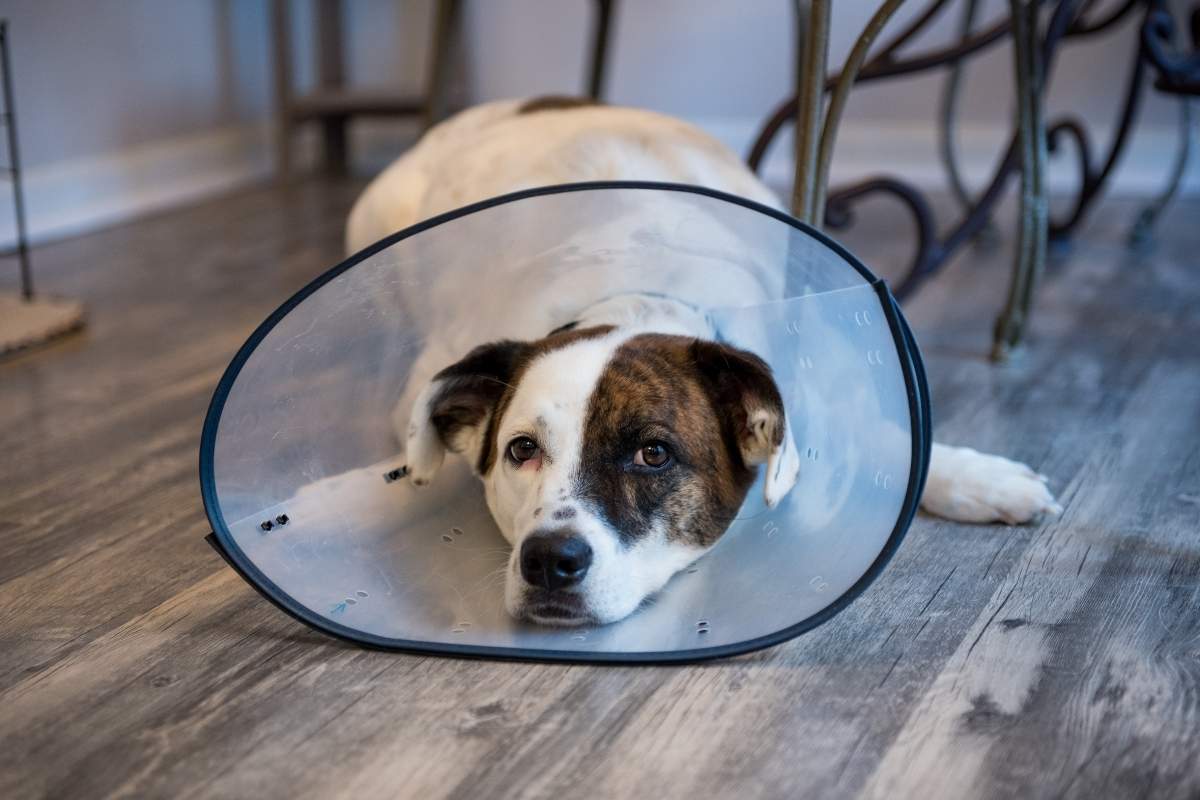
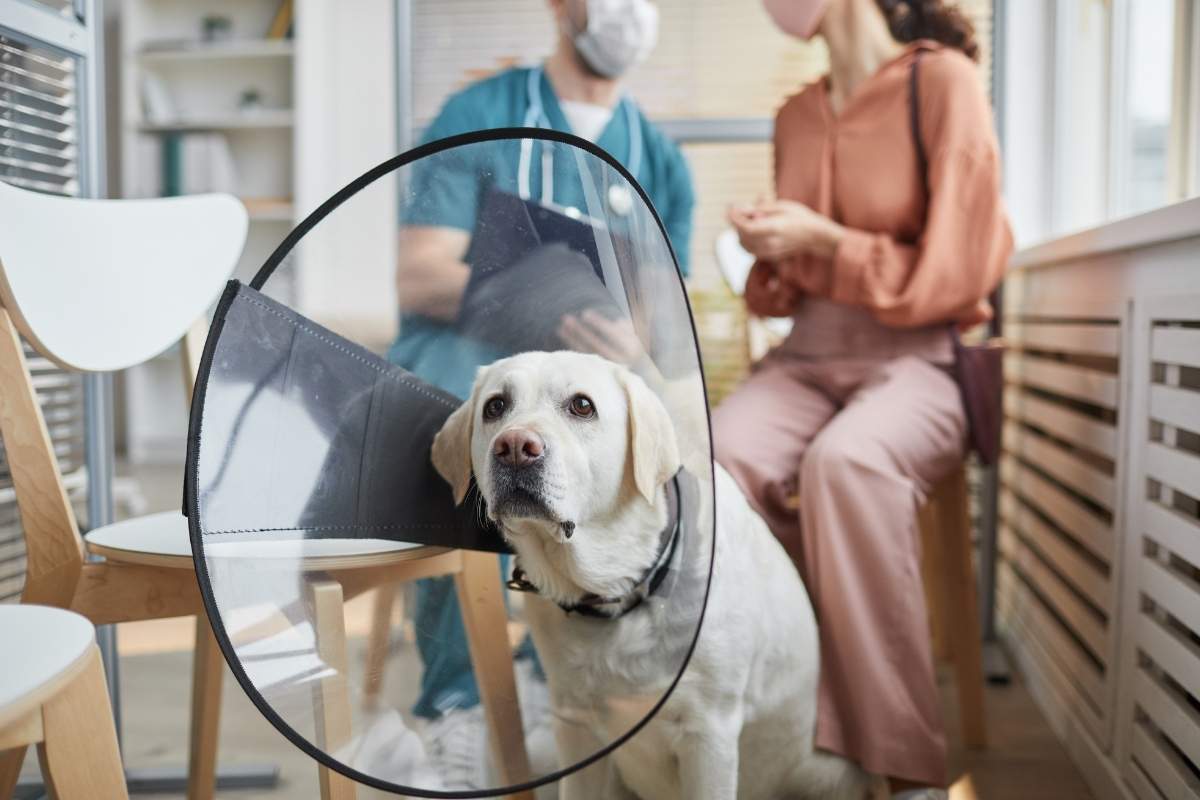
- Using a recovery collar to prevent licking.
- Monitoring appetite, energy, and bathroom habits.
- Attending recommended follow-up appointments.
The recovery timeline depends on the type of procedure, the pet’s condition, and whether complications develop. A minor skin procedure may require less recovery time than an abdominal operation.
Pet owners should contact their veterinarian if they notice increasing swelling, discharge, persistent vomiting, significant pain, or other concerning changes after surgery. Difficulty breathing, collapse, or severe bleeding requires immediate emergency veterinary attention.
What Should Pet Owners Ask Before Agreeing to Surgery?
Understanding the recommended procedure helps pet owners make informed decisions.
Before scheduling an operation, consider asking your veterinarian:
- Why is this technique recommended for my pet?
- Are there other treatment options?
- What are the main risks and expected benefits?
- Will my pet need additional diagnostic tests?
- How will anesthesia and pain be managed?
- What should I expect during recovery?
- What complications should prompt an immediate call?
Our vets encourage pet owners to discuss their concerns before surgery. Understanding the treatment plan can help families prepare for the procedure and provide appropriate care afterward. If you have questions about your pet’s surgical needs, schedule an appointment with our animal hospital to discuss the available options with our veterinary team.
Can Early Veterinary Care Improve Surgical Outcomes?
Seeking veterinary attention when symptoms first appear may help prevent certain conditions from becoming more complicated. A small growth, for example, may be easier to assess before it becomes larger or begins interfering with movement.
Similarly, a wound that receives prompt treatment may be less likely to develop complications associated with delayed care. However, early evaluation does not always mean surgery will be necessary. In some cases, monitoring, medication, or another treatment may be appropriate.
The important step is obtaining an accurate diagnosis before the condition progresses. Routine examinations also give veterinarians opportunities to identify changes that pet owners might not notice at home.
Make an Informed Surgical Decision for Your Pet’s Health
Choosing the right technique involves more than selecting a procedure. It requires understanding the pet’s condition, evaluating possible risks, and planning for a safe recovery.
When surgery is recommended, clear communication between the veterinarian and pet owner can make the experience less stressful. Knowing why a particular approach is necessary also helps families prepare for their pet’s care.
At Edinburgh Animal Hospital, our veterinary team provides surgical care for pets in Chesapeake, including elective procedures and soft tissue surgeries. We evaluate each patient’s needs and help pet owners understand the recommended treatment and recovery process.
If your dog or cat has a condition that may require surgery, contact our veterinary practice at (757) 432-0488. Our vets are here to answer your questions, discuss the available options, and help you make informed decisions about your pet’s health.
Frequently Asked Questions
1. How do veterinarians determine whether a pet needs surgery?
Ans: Veterinarians evaluate the pet’s symptoms, medical history, physical examination findings, and diagnostic results. Surgery may be recommended when it offers an appropriate way to treat a condition that cannot be adequately managed through other methods. The decision also considers the pet’s overall health and potential surgical risks.
2. Is minimally invasive surgery always safer than traditional surgery?
Ans: No. Minimally invasive surgery may offer benefits for certain procedures, but it is not appropriate for every medical condition. Traditional open surgery may provide better access to affected tissues or organs. Veterinarians select the technique based on the diagnosis, the pet’s needs, and the safest feasible approach.
3. Can older dogs and cats safely undergo surgery?
Ans: Many senior pets can undergo surgery after an appropriate preoperative assessment. Age alone does not determine surgical eligibility. Veterinarians evaluate organ function, existing diseases, medications, and anesthetic risks before making recommendations. Some pets may need additional testing or treatment before surgery.
4. Where can I find veterinary surgical care for my pet in Chesapeake?
Ans: Edinburgh Animal Hospital provides surgical care for dogs and cats in Chesapeake. Our veterinary practice offers elective procedures and soft tissue surgeries, including spaying, neutering, skin mass removal, bladder stone surgery, and certain intestinal procedures. Our vets assess each pet’s condition before recommending an appropriate treatment plan.
5. Can Edinburgh Animal Hospital help determine whether my pet needs surgery for a lump?
Ans: Yes. At Edinburgh Animal Hospital in Chesapeake, our vets can examine your pet’s lump and discuss whether further diagnostic testing or surgical removal may be appropriate. The recommendation depends on the growth’s location, size, characteristics, and your pet’s health. Some lumps may require sampling or laboratory evaluation to better understand their nature.
6. How does Edinburgh Animal Hospital help pets recover after surgery in Chesapeake?
Ans: Edinburgh Animal Hospital provides postoperative guidance to help pet owners care for their dogs and cats during recovery. Our veterinary team explains medication instructions, activity restrictions, incision care, and warning signs that require attention. Follow-up recommendations depend on the procedure and the pet’s individual healing needs.