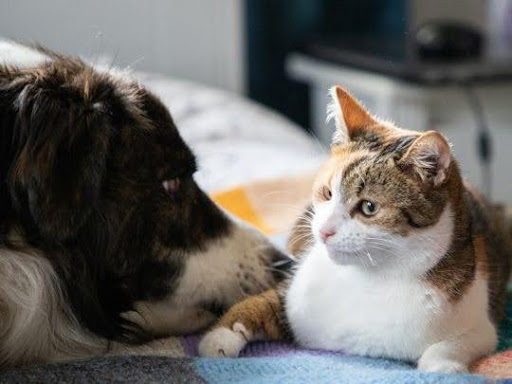

Pets have a way of hiding pain and discomfort, which can make it difficult for owners to know when something is wrong. While some health concerns can wait for a routine veterinary appointment, others require prompt medical attention to prevent the condition from worsening. Knowing the warning signs can help you make the right decision and ensure your dog or cat receives timely treatment.
If you notice sudden changes in your pet’s behavior, appetite, mobility, or overall health, seeking urgent pet care Chesapeake can make a significant difference in their comfort and recovery. Understanding these symptoms allows you to act quickly while avoiding unnecessary delays in treatment.
Why Prompt Veterinary Care Matters
Many illnesses and injuries begin with subtle symptoms that become more serious if left untreated. Early evaluation allows your veterinarian to identify the cause of the problem, relieve discomfort, and recommend the most appropriate treatment plan.
Whether your pet develops an unexpected illness or experiences a minor injury, receiving urgent vet care Chesapeake helps reduce the risk of complications and supports a smoother recovery.
Persistent Vomiting or Diarrhea
Occasional stomach upset may not always indicate a serious problem, but repeated vomiting or diarrhea should never be ignored.
Your pet may quickly become dehydrated, especially if symptoms continue for several hours or are accompanied by weakness or refusal to eat.
Possible causes include:
- Dietary indiscretion
- Intestinal irritation
- Parasites
- Foreign object ingestion
- Digestive disorders
- Certain infections
Prompt veterinary evaluation helps determine the underlying cause and provides treatment before dehydration or other complications develop.
Loss of Appetite That Lasts More Than a Day
Most pets eagerly anticipate mealtime. If your dog or cat suddenly refuses food for more than 24 hours, it may indicate an underlying medical condition.
A decreased appetite may occur because of:
- Dental pain
- Digestive discomfort
- Fever
- Organ disease
- Internal inflammation
When appetite loss is combined with lethargy, vomiting, diarrhea, or unusual behavior, your pet should be evaluated as soon as possible.
Difficulty Walking or Sudden Limping
A pet that suddenly begins limping or avoids putting weight on a leg should be examined promptly.
Mobility problems can result from:
- Sprains
- Muscle injuries
- Joint pain
- Torn ligaments
- Paw injuries
- Fractures
Even if your pet continues walking, ongoing pain can worsen without treatment. Early evaluation allows your veterinarian to identify the injury and recommend appropriate care to improve comfort and mobility.
Cuts, Bite Wounds, or Skin Injuries
Not every wound appears severe from the outside. Small puncture wounds, scratches, or cuts can become infected if left untreated.
Your veterinarian can properly clean the affected area, evaluate the depth of the injury, and determine whether additional treatment is needed.
Watch for signs such as:
- Swelling
- Redness
- Drainage
- Persistent licking
- Pain around the wound
Timely treatment helps support proper healing while reducing the chance of infection.
Persistent Coughing or Difficulty Breathing
Changes in your pet’s breathing should always be taken seriously.
Contact a veterinarian promptly if your pet experiences:
- Continuous coughing
- Rapid breathing
- Wheezing
- Labored breathing
- Excessive panting without activity
Respiratory symptoms may be associated with infections, allergies, heart conditions, or airway irritation. Early evaluation helps identify the cause and allows treatment to begin before the condition progresses.
Difficulty Urinating
Straining to urinate or producing very little urine may indicate a urinary problem that requires prompt veterinary attention.
Other symptoms include:
- Frequent attempts to urinate
- Blood in the urine
- Crying while urinating
- Excessive licking of the urinary area
- Urinating outside the litter box or home routine
Urinary conditions can become increasingly uncomfortable if left untreated, making timely veterinary care especially important.
Eye Problems That Shouldn’t Wait
Healthy eyes should appear bright and clear.
Seek veterinary care if your pet develops:
- Redness
- Squinting
- Eye discharge
- Cloudiness
- Swelling
- Excessive tearing
- Pawing at the eyes
Eye conditions can worsen rapidly and may affect vision if treatment is delayed. Early diagnosis often leads to better outcomes.
Sudden Lethargy or Weakness
Every pet has quiet days, but a dramatic decrease in energy is often a sign that something is wrong.
A normally active pet that suddenly becomes weak, reluctant to move, or uninterested in normal activities should be evaluated promptly.
Lethargy may accompany many illnesses, including infections, digestive disorders, metabolic conditions, and pain.
When weakness occurs alongside other symptoms, it becomes even more important to seek veterinary attention without delay.
Swelling or Allergic Reactions
Unexpected swelling of the face, ears, paws, or skin should never be ignored.
Possible causes include:
- Insect stings
- Environmental allergens
- Food reactions
- Skin irritation
Some pets may also develop hives, excessive itching, or facial discomfort. Prompt treatment can help relieve symptoms and prevent the reaction from worsening.
Ingestion of Foreign Objects
Pets naturally explore their surroundings with their mouths, especially puppies and kittens.
Items commonly swallowed include:
- Socks
- Toys
- String
- Corn cobs
- Bones
- Household objects
Foreign material can irritate or block the digestive tract, making early veterinary evaluation important even if your pet initially appears normal.
Sudden Changes in Behavior
Behavior often provides valuable clues about your pet’s health.
Watch for changes such as:
- Hiding
- Restlessness
- Aggression
- Excessive vocalization
- Confusion
- Avoiding interaction
Behavioral changes may indicate pain, illness, or discomfort that requires veterinary evaluation. Trust your instincts if your pet seems noticeably different than usual.
Ear Problems That Cause Discomfort
Ear infections and irritation can become increasingly uncomfortable without treatment.
Common signs include:
- Head shaking
- Ear scratching
- Bad odor
- Redness
- Dark discharge
- Sensitivity when touched
Prompt care helps relieve discomfort while preventing the condition from progressing.
Skin Lumps That Change Quickly
Not every lump is cause for immediate concern, but new growths or existing lumps that rapidly increase in size should be evaluated.
Your veterinarian can determine whether additional testing is needed and recommend the most appropriate next steps.
Monitoring skin changes is an important part of maintaining your pet’s overall health.
Knowing When to Seek Prompt Veterinary Care
Many pet owners wonder whether they should wait and see if symptoms improve. In many cases, observing mild changes may be appropriate for a short period, but persistent, worsening, or multiple symptoms often indicate that veterinary evaluation should not be delayed.
If your pet is acting differently than normal and the symptoms continue or worsen, trust your instincts. Prompt veterinary attention often leads to earlier diagnosis, improved comfort, and better outcomes.
If your pet is showing concerning signs, schedule for an appointment to have them evaluated by a veterinary professional. You can also call 757-432-0488 for guidance about your pet’s condition.
Compassionate Care for Pets in Chesapeake
When unexpected illnesses or minor injuries occur, having a trusted veterinary team can provide peace of mind. At Edinburgh Animal Hospital, we are committed to delivering compassionate, high-quality care for dogs and cats throughout Chesapeake. Whether your pet is experiencing digestive issues, mobility problems, skin concerns, or other sudden symptoms, our experienced team is here to provide thorough evaluations and personalized treatment focused on helping your pet feel better as quickly as possible.
Frequently Asked Questions
1. How do I know if my pet needs urgent veterinary care instead of waiting for a regular visit?
Ans: If your pet has persistent vomiting, diarrhea, difficulty breathing, limping, trouble urinating, sudden lethargy, or noticeable behavioral changes, it is best to have them evaluated promptly rather than waiting for a routine appointment.
2. Can pets hide signs of illness?
Ans: Yes. Dogs and cats often mask pain and discomfort, making subtle changes in appetite, activity level, or behavior important early indicators that something may be wrong.
3. Is limping always a reason to visit a veterinarian?
Ans: Sudden limping or difficulty walking should be examined, even if your pet still seems active. Early evaluation helps identify injuries and supports faster recovery.
4. What should I do if my pet stops eating?
Ans: If your pet refuses food for more than 24 hours or has additional symptoms like vomiting, diarrhea, or weakness, veterinary evaluation is recommended to determine the underlying cause.
5. Why are eye problems considered urgent?
Ans: Eye conditions can worsen quickly and may affect your pet’s vision if left untreated. Redness, swelling, discharge, squinting, or cloudiness should be evaluated promptly.
6. What symptoms should I monitor after my pet swallows something they shouldn’t?
Ans: Watch for vomiting, loss of appetite, abdominal discomfort, constipation, diarrhea, lethargy, or changes in behavior. Even if symptoms are not immediately apparent, veterinary evaluation is recommended after suspected foreign object ingestion.