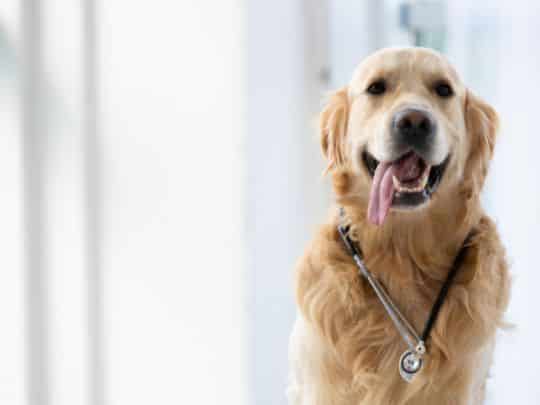

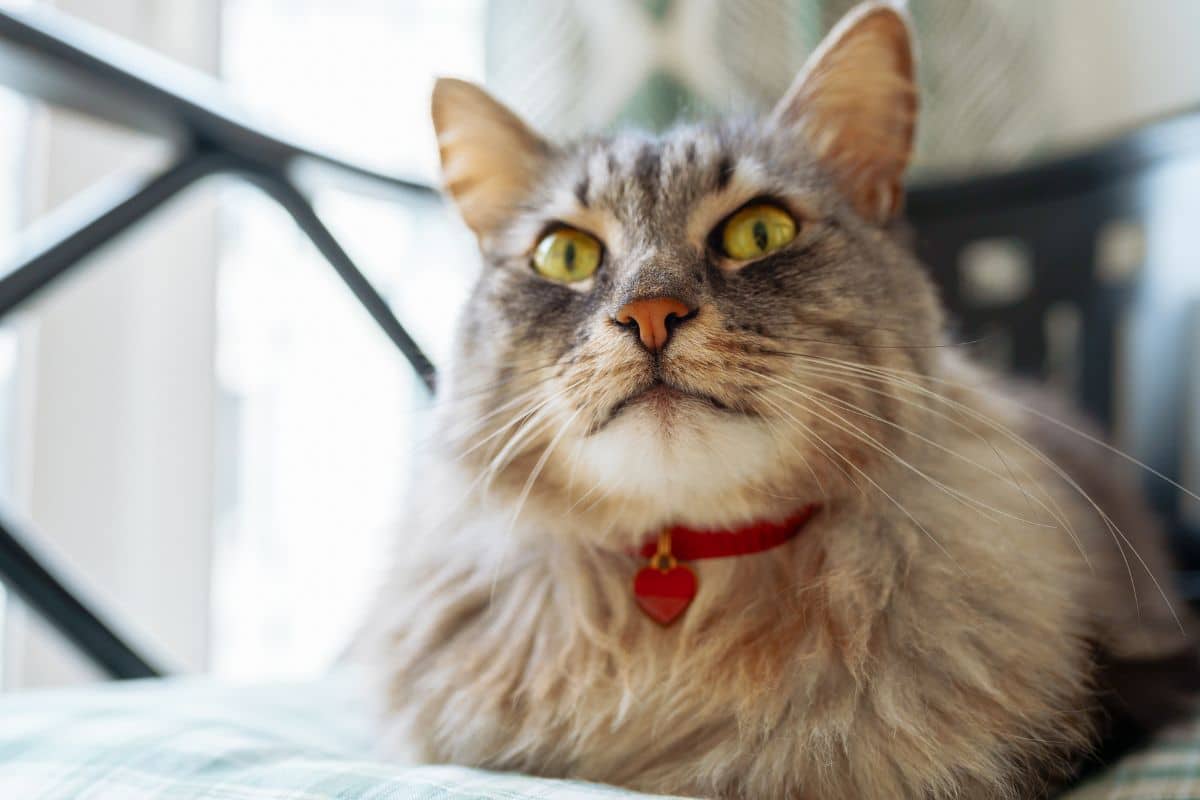
Chronic pain can gradually change how dogs and cats move, behave, and enjoy their daily activities. A dog that once loved long walks may begin slowing down, while a cat that regularly jumped onto furniture may start avoiding elevated surfaces. These changes can indicate ongoing discomfort caused by arthritis, joint problems, or other medical conditions.
Unlike sudden injuries, chronic pain often develops slowly, making it difficult for pet owners to recognize. Fortunately, veterinary medicine offers several approaches to managing discomfort, including photobiomodulation, a noninvasive treatment that uses specific wavelengths of light to influence cellular activity.
For pet owners in Chesapeake, understanding how this treatment works can help them make informed decisions about their pets’ long-term comfort. This article explains the science behind photobiomodulation, the conditions it may help manage, and how veterinary guidance can support better mobility and quality of life.
What Is Photobiomodulation in Veterinary Medicine?
Photobiomodulation (PBM) is a therapeutic technique that uses controlled wavelengths of red or near-infrared light to influence biological processes within tissues.
Veterinarians may recommend this treatment to help manage pain, support tissue recovery, and reduce inflammation associated with certain medical conditions. Unlike surgical lasers that cut or remove tissue, therapeutic devices deliver light energy without making an incision.
When light reaches targeted tissues, certain cellular components absorb that energy. This interaction may influence cellular signaling, inflammation, and processes involved in tissue repair.
The treatment is commonly called laser therapy in veterinary medicine. However, the effectiveness of photobiomodulation depends on several factors, including the condition being treated, the equipment used, treatment settings, and the depth of the affected tissue.
Although research suggests potential benefits for certain conditions, veterinary evidence remains limited for others. It should therefore be considered one part of a broader pain management plan rather than a guaranteed solution.
How Does Photobiomodulation Help Pets With Chronic Pain?
Chronic pain involves more than an uncomfortable joint or injured muscle. Persistent inflammation, changes in nerve signaling, and reduced mobility can contribute to ongoing discomfort.
Photobiomodulation may influence several biological processes associated with these problems.
May Help Reduce Inflammation
Inflammation is a common contributor to chronic discomfort, particularly in pets with arthritis or soft tissue injuries. Photobiomodulation may influence inflammatory signaling and cellular responses in treated tissues.
When inflammation contributes to pain, reducing it may help improve comfort and movement. However, responses vary, and treatment does not eliminate the underlying cause of chronic conditions such as osteoarthritis.
May Support Cellular Recovery
Cells require energy to maintain normal functions and repair damaged tissue. Certain wavelengths of therapeutic light interact with light-sensitive cellular components, including those associated with mitochondrial activity.
These interactions may influence cellular energy metabolism and tissue repair processes. The potential benefit depends on the type and severity of the tissue problem.
May Influence Pain Signaling
Persistent discomfort can involve increased sensitivity within the nervous system. Photobiomodulation may influence certain pathways involved in pain signaling. Some pets may experience reduced discomfort following treatment, although the degree and duration of relief can vary.
May Improve Mobility and Daily Comfort
When pain becomes easier to manage, pets may become more willing to participate in normal activities.
Possible improvements include:
- Walking with less hesitation.
- Getting up more comfortably after resting.
- Showing greater interest in gentle play.
- Moving more freely during daily activities.
- Resting more comfortably.
These changes are not guaranteed, but they can help veterinarians assess whether treatment is providing a meaningful benefit.
Which Chronic Pain Conditions May Benefit From Photobiomodulation?
Veterinarians may consider photobiomodulation for several conditions involving ongoing discomfort. The decision depends on the pet’s diagnosis, medical history, and overall treatment goals.
Osteoarthritis and Joint Stiffness
Osteoarthritis is a degenerative joint condition that commonly affects aging dogs and cats. As joint tissues deteriorate, inflammation and discomfort can make everyday movement difficult.
Affected pets may struggle with stairs, hesitate before jumping, or become less interested in exercise. Photobiomodulation may be considered as an additional treatment to help manage discomfort associated with arthritis.
It does not reverse cartilage damage or cure the disease. Weight management, appropriate exercise, medication, and other veterinary recommendations remain important.
Chronic Muscle Discomfort
Muscle strain, compensation for painful joints, and certain musculoskeletal conditions can contribute to ongoing discomfort. Some pets develop muscle tension because they change how they walk to avoid putting pressure on painful areas.
Photobiomodulation may be considered when muscle or soft tissue discomfort is part of the diagnosed problem. A veterinary examination is necessary to determine whether the symptoms originate from muscles, joints, nerves, or another medical condition.
Recovery From Certain Injuries
Soft tissue injuries can cause discomfort that continues during recovery. Depending on the injury, veterinarians may consider light-based treatment as part of a rehabilitation plan. However, significant ligament injuries, fractures, and other structural problems may require additional medical or surgical treatment.
Persistent Discomfort Following Surgery
Some pets experience ongoing discomfort during recovery from orthopedic or other surgical procedures. Veterinarians near you may use supportive treatments alongside prescribed pain medication and activity restrictions. Photobiomodulation may be considered in selected cases, but it should not replace postoperative pain control or recommended follow-up examinations.
How Can Pet Owners Recognize Chronic Pain in Dogs and Cats?
Dogs and cats do not always cry or limp when something hurts. Many animals continue eating and interacting with family members despite persistent discomfort. Recognizing changes in their usual behavior can help owners seek veterinary attention sooner.
Common Signs of Chronic Pain in Dogs
- Difficulty standing after sleeping.
- Stiffness after resting.
- Reluctance to climb stairs.
- Reduced interest in walks.
- Limping or changes in walking patterns.
- Increased irritability when touched.
- Difficulty finding a comfortable sleeping position.
Common Signs of Chronic Pain in Cats
- Avoiding high furniture or windowsills.
- Jumping less frequently.
- Reduced grooming.
- Difficulty entering the litter box.
- Spending more time hiding.
- Decreased interest in toys.
- Becoming sensitive to handling.
A cat that stops jumping may be experiencing joint discomfort rather than simply slowing down with age. Similarly, a dog that refuses a familiar walk may need medical attention rather than additional rest. As these symptoms can have several causes, a veterinary examination is important before choosing treatment.
What Happens During a Veterinary Photobiomodulation Session?
A therapeutic light treatment session is generally noninvasive and does not require surgery. The veterinarian or trained team member positions the treatment device near the affected area and applies light according to the prescribed protocol.
The process typically involves several steps.
- Initial examination: Our vets evaluate the pet’s symptoms, medical history, and possible causes of discomfort.
- Treatment planning: The veterinarian determines whether photobiomodulation is appropriate and identifies the areas requiring treatment.
- Light application: A trained team member uses the therapeutic device according to the selected treatment settings and safety precautions.
- Response monitoring: The veterinary team evaluates changes in comfort, mobility, and activity to determine whether further sessions may be useful.
Many pets tolerate the procedure while resting or lying comfortably. Sessions are often relatively brief, although treatment duration varies depending on the equipment, condition, and areas involved.
Protective measures, including appropriate eye protection, are important during treatment. Pets with certain medical conditions may require additional precautions or an alternative approach.
Is Photobiomodulation Safe for Dogs and Cats?
Photobiomodulation is generally considered a low-risk procedure when performed with appropriate equipment, settings, and veterinary supervision. However, safety depends on proper application.
Incorrect settings or prolonged exposure may cause unwanted tissue heating or injury. Direct exposure to the eyes must be avoided, and veterinarians should carefully evaluate treatment areas involving suspected tumors or other conditions requiring special precautions.
Before recommending treatment, our vets consider the pet’s health status, diagnosis, and any factors that could affect safety. Owners should also understand that noninvasive treatment does not automatically mean it is appropriate for every animal.
How Many Sessions Does a Pet Need to Experience Relief?
There is no single treatment schedule that works for every pet. Some animals may show improvements after a small number of sessions, while others require repeated treatment before meaningful changes can be assessed.
The number of sessions depends on:
- The underlying medical condition.
- The severity and duration of discomfort.
- The pet’s response to treatment.
- The affected tissue and treatment area.
- Other therapies included in the pain management plan.
Chronic conditions such as arthritis may require ongoing reassessment because the underlying disease remains present.
Our veterinary practice evaluates treatment progress rather than assuming that every pet needs the same number of sessions. If the expected improvement does not occur, the veterinarian may recommend additional diagnostics or adjustments to the treatment plan.
Can Photobiomodulation Replace Pain Medication?
Photobiomodulation should not automatically replace prescribed pain medication. Pets with chronic pain may benefit from a combination of medical treatments and supportive care.
Depending on the diagnosis, a veterinarian may recommend:
- Prescription medications for pain and inflammation.
- Weight management to reduce stress on painful joints.
- Controlled exercise to maintain muscle strength.
- Rehabilitation exercises when appropriate.
- Changes to the home environment.
- Additional supportive treatments, including laser therapy.
Combining different approaches may help address several contributors to chronic discomfort.
For example, a dog with osteoarthritis may need medication to manage pain, weight control to reduce joint stress, and appropriate exercise to maintain mobility. Photobiomodulation may be added when the veterinarian believes it could provide further benefit. Pet owners should never discontinue prescribed medication without consulting their veterinarian.
How Can Pet Owners Support Chronic Pain Management at Home?
Veterinary treatment is important, but everyday routines also influence a pet’s comfort. Small adjustments can reduce unnecessary physical strain and make daily activities easier.
Provide Comfortable Resting Areas
Supportive bedding can help pets rest without placing excessive pressure on painful joints. Choose a quiet location that is easy to access.
Reduce Slipping and Falling
Hardwood floors and slippery surfaces may make movement difficult for pets with joint discomfort. Non-slip rugs or mats can provide better traction in frequently used areas.
Make Essential Items Accessible
Keep food, water, and resting areas within easy reach. For cats with mobility problems, consider litter boxes with lower entrances. Ramps may help certain pets access familiar spaces without jumping.
Maintain Appropriate Physical Activity
Complete inactivity can contribute to muscle weakness and additional stiffness. However, excessive exercise may worsen discomfort. Follow the veterinarian’s recommendations regarding walking, playtime, and activity restrictions.
Monitor Changes in Behavior
Keep track of your pet’s movement, appetite, sleep patterns, and interest in normal activities. Short videos of walking, standing, or climbing stairs may help your veterinarian assess changes over time. These observations can also help determine whether the current pain management plan is working.
Why Is Veterinary Evaluation Important Before Starting Treatment?
Chronic pain can result from several conditions that require different treatments. Arthritis, ligament injuries, neurological disorders, and certain internal diseases may produce overlapping symptoms.
Treating discomfort without identifying its cause can delay necessary medical care. An examination helps determine whether the pet needs diagnostic testing, medication, rehabilitation, or another treatment.
At our veterinary practice, the goal is to understand what is causing the discomfort before recommending an appropriate management plan. We also consider the pet’s age, activity level, medical history, and response to previous treatments. Regular reassessment is especially important for pets with progressive conditions because their needs may change over time.
Help Your Pet Move More Comfortably With Veterinary Care in Chesapeake
Chronic pain can affect nearly every part of a pet’s daily life, from getting out of bed to enjoying time with family. Recognizing discomfort early and seeking veterinary guidance can help prevent unnecessary suffering and support a more comfortable routine.
Photobiomodulation may offer additional relief for certain pets, particularly when used alongside other appropriate pain management treatments. Although results vary, a carefully monitored plan can help determine which approaches make a meaningful difference in mobility and quality of life.
At Edinburgh Animal Hospital, we understand how concerning it can be to watch a beloved pet struggle with everyday movement. Our veterinary team helps pet owners in Chesapeake evaluate their pets’ discomfort and explore suitable treatment options.
If your dog or cat is showing signs of chronic pain, contact Edinburgh Animal Hospital today to schedule a veterinary consultation. Our vets can assess your pet’s condition, discuss available pain management options, and help you take the next step toward improving their daily comfort.
Frequently Asked Questions
1. Is photobiomodulation painful for dogs and cats?
Ans: Photobiomodulation is generally well tolerated and does not require incisions or injections. Most pets can remain comfortable during treatment. However, the experience depends on the equipment and settings used, and proper application is essential to prevent tissue injury.
2. Can older pets with arthritis benefit from photobiomodulation?
Ans: Some older pets with arthritis may experience improvements in comfort or mobility. However, research findings vary, and treatment cannot reverse joint degeneration. Veterinarians may recommend it alongside medication, weight management, and other supportive care.
3. How can I tell whether photobiomodulation is helping my pet?
Ans: Look for changes in everyday activities, such as standing, walking, climbing stairs, and resting. Improvements may be gradual. Your veterinarian can use mobility assessments and information about your pet’s behavior to evaluate the response.
4. Where can I get my dog evaluated for chronic joint pain in Chesapeake?
Ans: Pet owners in Chesapeake can contact Edinburgh Animal Hospital for a veterinary evaluation. Our vets can examine your dog’s mobility, investigate possible causes of discomfort, and discuss appropriate pain management options.
5. Can Edinburgh Animal Hospital help my senior cat with stiffness and reduced mobility?
Ans: Yes. Edinburgh Animal Hospital can evaluate senior cats experiencing stiffness, difficulty jumping, or changes in activity. Our veterinary team can assess possible causes, including arthritis, and recommend appropriate treatment and supportive care based on your cat’s health.
6. How do I know if my pet is a candidate for photobiomodulation in Chesapeake?
Ans: The first step is a veterinary examination. At Edinburgh Animal Hospital, our vets can review your pet’s symptoms, medical history, and diagnosis to determine whether photobiomodulation is worth considering as part of a broader pain management plan.