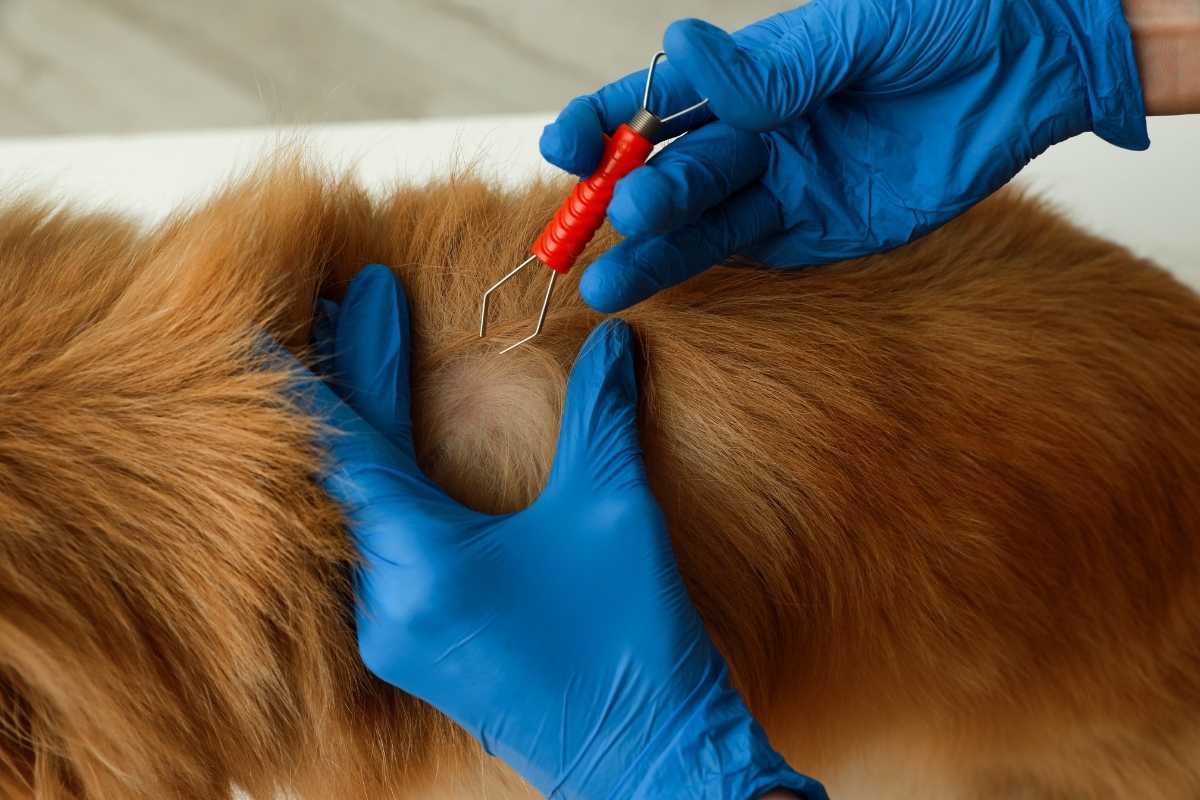


Many pet owners believe ticks are only a concern for animals that spend hours hiking through wooded trails or living in rural areas. The truth is that even pets that spend most of their time indoors can be exposed to ticks and the diseases they carry. A quick trip into the backyard, a neighborhood walk, or contact with wildlife can be enough for a tick to attach to your dog or cat.
Tick-borne diseases are often difficult to detect in their early stages because symptoms can be mild or mistaken for other health conditions. Left untreated, these illnesses may affect your pet’s joints, kidneys, nervous system, or overall well-being. Understanding how ticks spread disease, recognizing warning signs, and seeking prompt veterinary care can help protect your pet from serious health complications.
Why Tick-Borne Diseases Are More Common Than Many Pet Owners Realize
Ticks are tiny parasites that feed on the blood of animals and people. They become active during warmer months but can also survive in mild weather throughout the year. Because they are so small, especially during their immature stages they can easily go unnoticed.
Ticks are commonly found in:
- Tall grass
- Bushes and shrubs
- Wooded areas
- Parks and trails
- Overgrown backyards
- Leaf litter
Pets do not need to spend all day outdoors to encounter ticks. A brief walk or even time spent in a fenced yard may provide enough opportunity for exposure. Once attached, a tick can transmit harmful bacteria or parasites while feeding.
Visiting an animal hospital when you notice unusual symptoms or discover attached ticks allows your pet to receive timely evaluation before problems become more severe.
Common Tick-Borne Diseases That Affect Pets
Several diseases can be transmitted through tick bites. The type of illness depends on the species of tick and your geographic region.
Some of the more commonly diagnosed tick-borne diseases include:
Lyme Disease
Lyme disease is one of the most recognized tick-borne illnesses in dogs. While not every infected pet develops symptoms, those that do may experience:
- Fever
- Lameness that shifts between legs
- Joint swelling
- Fatigue
- Reduced appetite
If left untreated, Lyme disease can occasionally affect the kidneys and lead to more serious health concerns.
Ehrlichiosis
This disease attacks the immune system and blood cells. Symptoms may include:
- Fever
- Weakness
- Weight loss
- Swollen lymph nodes
- Easy bruising or bleeding
Some pets develop chronic infections that require ongoing medical management.
Anaplasmosis
Anaplasmosis often causes symptoms similar to Lyme disease, including:
- Joint pain
- Stiffness
- Fever
- Loss of appetite
- Lethargy
Early diagnosis usually improves treatment outcomes.
Rocky Mountain Spotted Fever
Although less common, this illness can become severe if not addressed promptly. Possible signs include:
- Fever
- Swollen joints
- Eye inflammation
- Neurological changes
- Decreased energy
Many tick-borne diseases share similar symptoms, making professional diagnosis especially important.
How Pets Become Exposed to Ticks
Many owners assume only adventurous outdoor pets are at risk. In reality, ticks can enter a pet’s environment in several ways.
Your pet may encounter ticks while:
- Walking through neighborhood parks
- Exploring tall grass
- Playing in the backyard
- Hiking with the family
- Visiting wooded campsites
- Interacting with wildlife that enters residential neighborhoods
Ticks may also hitch rides on clothing, shoes, or other animals before transferring to household pets.
Even indoor cats are not completely protected if ticks are accidentally brought inside the home.
Early Warning Signs Every Pet Owner Should Watch For
Tick-borne diseases often develop gradually. Early symptoms may seem minor but can worsen over time.
Watch for changes such as:
- Sudden tiredness
- Limping or stiffness
- Fever
- Loss of appetite
- Swollen joints
- Reluctance to exercise
- Weight loss
- Swollen lymph nodes
- Behavioral changes
- General discomfort
Because these symptoms overlap with many other medical conditions, your veterinarian may recommend diagnostic testing to determine the underlying cause.
If you are searching for a trusted vet near you, prompt evaluation can make a significant difference in your pet’s recovery.
Why Early Diagnosis Matters
One of the biggest challenges with tick-borne diseases is that symptoms may not appear immediately after a tick bite. Some pets become ill weeks or even months later.
Early diagnosis offers several important benefits:
- Faster treatment
- Reduced risk of long-term complications
- Better pain management
- Improved recovery
- Prevention of disease progression
Veterinarians typically perform a complete physical examination, review your pet’s history, and may recommend blood tests or additional diagnostics depending on the suspected illness.
What Happens During a Veterinary Evaluation?
When your pet is examined for a possible tick-borne disease, your veterinarian gathers information that helps identify the source of illness.
The examination may include:
- Reviewing recent outdoor activities
- Checking for attached ticks
- Looking for swollen joints
- Assessing lymph nodes
- Evaluating body temperature
- Performing blood work when appropriate
Diagnostic testing helps distinguish tick-borne illnesses from other conditions with similar symptoms, allowing treatment to begin as soon as possible.
Practical Ways to Reduce Tick Exposure
Although it may not be possible to eliminate every tick, simple preventive habits can significantly lower your pet’s risk.
Check Your Pet After Outdoor Activities
Run your hands over your pet’s body after walks or playtime.
Pay close attention to:
- Around the ears
- Between the toes
- Under the collar
- Around the neck
- Under the legs
- Around the tail
- Between skin folds
Removing ticks promptly reduces the likelihood of disease transmission.
Keep Your Yard Well Maintained
Maintaining your property can help reduce tick populations.
Helpful steps include:
- Mowing grass regularly
- Removing leaf piles
- Trimming overgrown shrubs
- Keeping play areas clean
- Limiting wildlife access where possible
Avoid Tick-Friendly Areas
Whenever practical, stay on established walking paths and avoid letting pets wander through dense vegetation or tall grass.
Perform Routine Grooming
Regular brushing helps you identify ticks before they remain attached for extended periods. Grooming also allows you to notice skin changes, swelling, or other abnormalities that deserve veterinary attention.
Can Cats Get Tick-Borne Diseases?
Yes. Although dogs are diagnosed more frequently, cats can also develop illnesses transmitted by ticks.
Cats may show subtle symptoms, including:
- Low energy
- Poor appetite
- Fever
- Weight loss
- Limping
- Changes in behavior
Because cats often hide signs of illness, owners should pay close attention to any noticeable changes in daily habits.
When Should You Contact a Veterinarian?
Do not wait until symptoms become severe.
Contact your veterinarian if:
- You find an attached tick.
- Your pet develops unexplained fever.
- Limping continues for more than a day.
- Appetite suddenly decreases.
- Your pet becomes unusually tired.
- Joint swelling develops.
- You notice ongoing behavioral changes after outdoor activity.
Prompt medical attention gives your pet the best opportunity for a smooth recovery and helps prevent more serious complications.
Protecting Your Pet From Hidden Tick Risks
Tick-borne diseases often begin quietly, making them easy to overlook until symptoms become more noticeable. Routine tick checks, careful observation, and timely veterinary care all play important roles in keeping your pet healthy. Even household pets with limited outdoor exposure can encounter ticks, so awareness remains essential throughout the year.
If you notice concerning symptoms or discover a tick on your pet, don’t delay seeking professional care. Schedule for an appointment if your pet shows signs of illness after tick exposure or if you have concerns about their health. At Edinburgh Animal Hospital, our experienced team is committed to providing compassionate care for pets throughout Chesapeake. Whether you need guidance about tick-borne diseases or comprehensive wellness services, our Chesapeake animal hospital is here to help keep your furry family members healthy and active.
Frequently Asked Questions
1. Can indoor pets get tick-borne diseases?
Ans: Yes. Indoor pets can still be exposed to ticks that enter the home on people, other pets, or wildlife. Even short periods outdoors can result in tick exposure.
2. How soon do symptoms appear after a tick bite?
Ans: Symptoms may appear within days or may take several weeks, depending on the disease and your pet’s immune response.
3. Are all ticks capable of spreading disease?
Ans: No. Different tick species carry different diseases, and not every tick is infected. However, any attached tick should be taken seriously.
4. What are the earliest signs of a tick-borne disease in pets?
Ans: Common early signs include fever, lethargy, decreased appetite, stiffness, limping, and swollen joints. Some pets may show only mild symptoms initially.
5. Should I remove a tick if I find one on my pet?
Ans: Yes. Removing a tick promptly may reduce the risk of disease transmission. If you are unsure how to remove it safely or your pet becomes ill afterward, contact your veterinarian.
6. Why is early veterinary care important for tick-borne diseases?
Ans: Early diagnosis allows treatment to begin before complications develop, improving your pet’s chances of a faster recovery and reducing the risk of long-term health problems.