

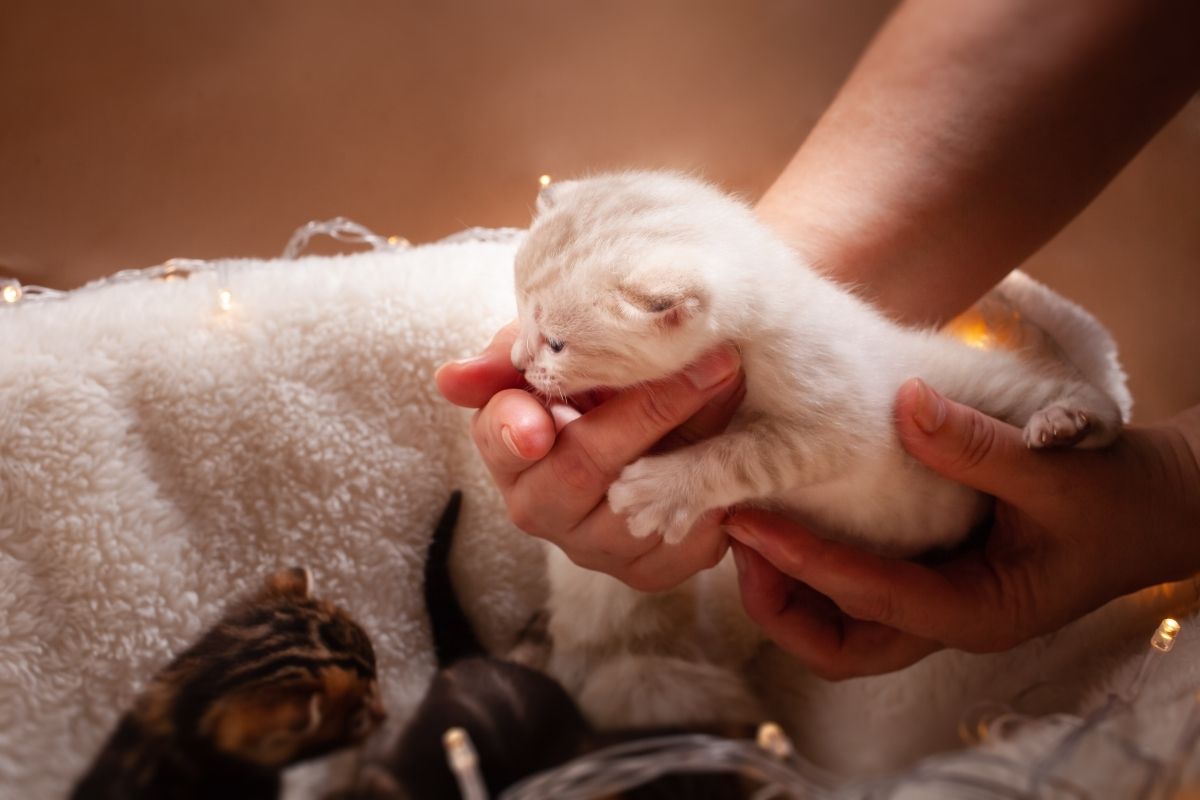
Bringing a new kitten into your home is an exciting time! The playful pounces, the soft meows, and the tiny paws can melt anyone’s heart. However, as a kitten parent, there’s more to it than just playing and cuddling. Proper care is essential to ensure your kitten grows up healthy and happy.
This blog is especially for those in Chesapeake, VA, who are ready to embark on the journey of kitten care. Whether you’re a first-time kitten owner or need a refresher on best practices, this guide will give you expert, vet-endorsed tips on how to care for your little furry friend. In this guide, we’ll cover the dos and don’ts of kitten care to make sure you’re equipped to provide the best start for your kitten’s life.
From nutrition to vaccinations, this blog will explore essential kitten care practices that can set your pet up for long-term health. By the end, you’ll know how to keep your kitten healthy and avoid common pitfalls many pet owners face. Ready to learn the best ways to care for your new kitten? Keep reading!
The Basics of Taking Care of Your Kitten
Kittens are incredibly vulnerable in their early stages, so understanding their basic needs is critical. Their health, behavior, and development rely on proper care from day one. At this stage, your kitten’s immune system is still developing, and they need all the support they can get to grow into a healthy adult cat.
Proper kitten care isn’t just about feeding and playing; it’s about providing the right nutrition, socialization, and healthcare to help them thrive. Neglecting even one aspect of kitten care can lead to developmental issues or health problems in the future. So, let’s dive into the most important dos and don’ts when it comes to your kitten’s care.
Do: Provide the Right Nutrition
Feed Your Kitten High-Quality Kitten Food
Kittens require a different nutritional balance than adult cats. Their bodies are growing rapidly, so they need more protein, fat, and essential nutrients to support their development. Make sure to feed your kitten a high-quality kitten food, as these foods are specially formulated to meet the nutritional needs of growing cats.
Wet and dry food are both good options, with wet food helping to keep your kitten hydrated and dry food offering dental benefits. Make sure to feed your kitten the recommended portion size based on their age and weight to prevent overfeeding or underfeeding.
Don’t: Feed Your Kitten Adult Cat Food
It might seem convenient to feed your kitten adult cat food, but it’s not the best option. Adult cat food lacks the necessary nutrients that kittens need to grow properly. Feeding them adult food can lead to nutritional deficiencies and slower growth.
Kittens need more calories, protein, and fat than adult cats, so sticking to a kitten-specific diet is essential for their health. Always look for food labeled specifically for kittens, and avoid human food, which can be harmful to them.
Do: Schedule Regular Vet Check-Ups
Keep Up with Veterinary Appointments
Regular veterinary visits are crucial for your kitten’s health. Your veterinarian will help track their growth, administer necessary vaccinations, and identify any potential health issues early on. Most importantly, these check-ups will ensure that your kitten is developing properly.
Vaccinations are essential in the early stages to protect your kitten from dangerous diseases. Your vet will also provide guidance on parasite prevention, spaying or neutering, and advice on general care.
Don’t: Skip Vet Appointments
Skipping vet visits or delaying necessary treatments can lead to serious health issues. Kittens are particularly vulnerable to diseases and parasites, and skipping vet visits can prevent early detection of health problems.
Never delay vaccinations or deworming, as these protect your kitten from potentially life-threatening conditions. Regular check-ups ensure that your kitten is on the right path to a healthy life.
Do: Socialize and Play With Your Kitten
Stimulate Their Mind and Body
Playtime is vital for your kitten’s development. Engaging your kitten with toys and interactive play helps them develop their muscles, coordination, and cognitive abilities. Play also helps establish a bond between you and your kitten, which is important for their emotional development.
Interactive toys like feather wands, balls, and laser pointers are excellent choices to encourage activity. Also, puzzle feeders are a great way to stimulate your kitten’s mind while helping to slow down their eating habits.
Don’t: Overstimulate Your Kitten
While play is essential, overstimulating your kitten can cause stress or frustration. Kittens need time to rest and relax, especially after a stimulating play session. Be mindful of their energy levels and provide a calm, quiet space for them to retreat to when they need a break.
Avoid forcing your kitten into situations where they feel overwhelmed, such as pushing them into interactions with unfamiliar people or animals too quickly. Let your kitten explore and socialize at their own pace.
Do: Create a Safe and Comfortable Space
Provide a Safe, Enclosed Area
Your kitten needs a safe environment where they can explore and feel secure. Set up a designated space in your home where they can feel comfortable and protected, especially when you’re not around to supervise them. It will help them adapt to their new home and prevent potential accidents or hazards.
Ensure their space is free from dangerous items, such as electrical cords, small objects they could swallow, or toxic plants. Having a designated area helps your kitten feel safe while they adjust to their new environment.
Don’t: Leave Your Kitten Unsupervised
Kittens are naturally curious, and they will often explore areas that may be dangerous. Leaving them unsupervised in an unfamiliar environment can lead to accidents or injuries. Always keep an eye on your kitten when they’re exploring new spaces.
Until your kitten is familiar with their environment, it’s essential to supervise them to prevent them from getting into trouble. Avoid leaving them in areas with hazardous objects or situations.
Do: Encourage Proper Litter Box Training
Introduce the Litter Box Early
Litter box training is an essential part of kitten care. Start by introducing the litter box as soon as your kitten arrives in their new home. Most kittens will instinctively use the box, but it’s still important to place it in an easily accessible area and keep it clean.
If your kitten has trouble using the litter box, try different types of litter to see which one they prefer. Also, be patient, as accidents will happen as they adjust to their new environment.
Don’t: Punish Litter Box Accidents
If your kitten has an accident outside the litter box, don’t punish them. Instead, clean the area thoroughly and be patient. Accidents are common, especially in the early stages, as kittens are still learning. It may take some time before they get the hang of it.
Avoid using harsh chemicals or scents that could deter your kitten from using the box in the future. Instead, keep the area clean and continue to reinforce positive behavior with praise and rewards.
Do: Monitor Their Health Regularly
Keep Track of Their Development
Keep an eye on your kitten’s health as they grow. Regularly check for signs of illness, such as changes in appetite, behavior, or litter box habits. Early detection of health problems can prevent serious complications down the road.
Weight gain is another key indicator of your kitten’s health. Make sure they are steadily gaining weight and not showing signs of malnutrition or obesity. If you’re ever concerned, consult your vet for guidance.
Don’t: Ignore Veterinary Advice
Always follow your veterinarian’s guidance regarding vaccinations, deworming, and health checks. Your vet is the best source of advice when it comes to your kitten’s well-being, so don’t ignore their recommendations.
Stay on top of your kitten’s health by scheduling regular check-ups and taking preventive measures recommended by your vet.
Raising a Healthy, Happy Kitten
Kitten care is an exciting but crucial responsibility. By providing the right nutrition, regular vet visits, proper socialization, and a safe home, you’ll be setting your kitten up for a long, healthy, and happy life. Remember, the care you give in these early stages will shape their future health and behavior.
If you’re in Chesapeake and looking for guidance on kitten care near you, contact Edinburgh Animal Hospital. Our dedicated team is here to support you and your kitten every step of the way, ensuring a healthy start for your furry friend.
FAQs
1. How can I tell if my kitten is feeling stressed?
Signs of stress in kittens include hiding, excessive meowing, changes in eating habits, and trembling. A new environment or unfamiliar faces can trigger stress, so ensure your kitten has a calm, quiet space.
2. Can I introduce my kitten to a new pet when they’re still young?
Introducing a kitten to a new pet should be done gradually and with care. Allow them to get used to each other’s scent before meeting face-to-face. Supervised positive introductions can help prevent future behavioral issues.
3. How do I know if my kitten is getting enough playtime?
Kittens are typically very playful. If they seem lethargic, disinterested in toys, or avoid interaction, they may need more stimulation. Offer different types of toys and play in short, engaging sessions to keep them active.
4. What should I do if my kitten is having trouble using the litter box?
If your kitten is having trouble with the litter box, check if the box is too high, too small, or too dirty. Some kittens may prefer certain types of litter, so experimenting with different kinds could help.
5. Is it normal for my kitten to sleep a lot?
Yes, kittens sleep up to 18-20 hours a day. Sleep is crucial for their growth and development, so don’t worry unless they are excessively lethargic or not waking up for play and meals.
6. How can I help my kitten adjust to living with other animals?
Gradual introductions and patience are key. Keep initial interactions short and supervised, and allow your kitten to explore at their own pace. Positive reinforcement, such as treats and praise, can help them feel more comfortable.