



Your Pet’s First Step to a Healthy Life
At Edinburgh Animal Hospital, we understand that bringing a new puppy or kitten into your family is a joyful and exciting experience. These early months are crucial for your pet’s health and development. Our team is here to guide you every step of the way, ensuring that your new furry family member stays healthy, safe, and happy as they grow.
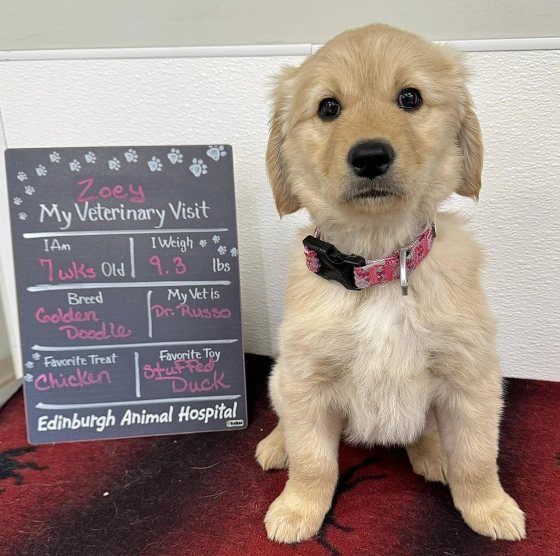
Beginning of a Healthy Life for Your Puppy
Your puppy’s first few months are essential for their growth and development. Regular wellness exams are vital to track their progress and safeguard them against illness. We recommend scheduling a wellness exam every 3 weeks until your puppy is 16-18 weeks old. During these visits, our veterinarians will:
- Perform a comprehensive health check-up
- Administer vaccinations to protect against common diseases
- Answer any questions you may have regarding your puppy’s physical health, training, or behavior
Vaccines
Vaccinations are critical in protecting your puppy from life-threatening diseases, which is why we follow a strict vaccination schedule.
Core vaccines for all puppies include:
- Rabies: A viral disease that is dangerous for both pets and humans.
- Distemper: A serious illness that affects the respiratory, digestive, and nervous systems.
- Parvovirus: A highly contagious disease that affects the intestines and can be fatal.
- Bordetella: A respiratory infection, commonly known as kennel cough.
- Leptospirosis: A bacterial infection that can lead to severe liver and kidney damage.
We also recommend non-core vaccines based on your puppy’s lifestyle, such as:
- Canine Influenza: A highly contagious respiratory infection.
- Lyme Disease: A bacterial infection spread by ticks.
Preventing Parasites in Puppies
Parasites like fleas, ticks, and worms can cause discomfort and serious health issues for your puppy. That's why parasite prevention is a core part of our puppy care program helping your new companion get the healthiest possible start in life. We offer parasite prevention plans to ensure your pet stays free from these pests. Treatments for flea and tick prevention, as well as deworming schedules, are essential in the first year of puppy care to protect against common threats that can affect long-term health and development.
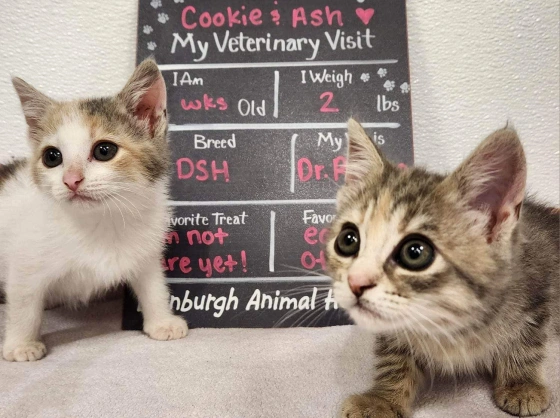
Kitten Care to Ensure Healthy Growth
The first few months of your kitten’s life are crucial for their health and development. Similar to puppies, kittens should visit the vet regularly during their early months. We recommend wellness exams every 3 weeks until your kitten reaches 16-18 weeks of age. Our veterinarians will:
- Conduct a thorough health check-up
- Administer required vaccinations
- Offer guidance on behavior, training, and general care
Kitten Vaccines
Vaccinations are important for protecting your kitten’s weak immune system. We ensure your kitten receives the following core vaccines:
- Rabies: A fatal disease that is transmitted through bites and can affect both pets and humans.
- Distemper (Panleukopenia): A viral infection that affects the digestive and immune systems.
- Rhinotracheitis: A respiratory infection that can cause sneezing and eye discharge.
- Calicivirus: A virus that causes respiratory and oral health issues.
Depending on your kitten’s lifestyle, we may recommend additional non-core vaccines, including:
- Feline Leukemia (FeLV): A virus that affects the immune system and is spread through close contact.
- Feline Immunodeficiency Virus (FIV): A virus that weakens the immune system.
- Feline Infectious Peritonitis (FIP): A serious viral disease affecting the abdomen.
Spay/Neuter Surgery Preventing Unwanted Litters
Spaying and neutering are essential procedures for improving your pet’s quality of life. These surgeries help reduce the risk of certain cancers and prevent unwanted litters. Our veterinarians recommend spaying or neutering puppies and kittens between 5-12 months of age, or before they reach sexual maturity.
Microchipping
No matter how responsible you are as a pet owner, pets can get lost. Microchipping provides the best chance of being reunited with your furry friend if they go missing. This quick, simple procedure is performed under the skin and is pain-free. Microchips stay with your pet for life, providing permanent identification that cannot be lost or removed. We recommend registering your pet’s microchip with a national database, such as HomeAgain, to ensure you can easily be reunited with your lost pet.
Give Your New Pet the Healthy Start They Deserve
The first few months of your puppy or kitten's life set the foundation for a lifetime of good health. At Edinburgh Animal Hospital, our compassionate team is here to guide you through every milestone from their first exam and vaccinations to parasite prevention and nutritional guidance, so you never have to navigate new pet parenthood alone. We proudly serve pet families across Chesapeake, Hickory, Virginia Beach, Norfolk, and the greater Hampton Roads area, providing the personalized, gentle care your new companion deserves right from the start.
Ready to give your puppy or kitten the best possible beginning? Book an appointment online or call us at (757) 432-0488 our friendly team is happy to help you get started.

