

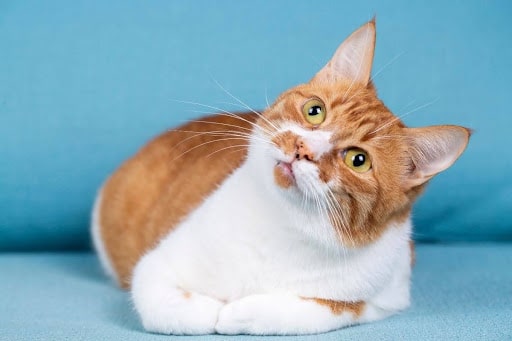
Have you ever heard your cat make a quick, birdlike chirp and wondered what it means? Cats have an impressive range of vocalizations, and chirping is one of their most interesting sounds. Unlike the familiar meow or purr, a chirp is usually short, high-pitched, and sometimes repeated several times.
For cat owners, hearing this unusual sound can be both entertaining and confusing. You may notice your cat chirping while watching birds through a window, playing with a toy, greeting you, or observing something that has captured its attention. In many cases, this behavior is completely normal and connected to natural instincts or communication.
Understanding the situation surrounding a cat’s chirping can help you recognize what your feline companion may be trying to express. Learning your cat’s body language, vocal patterns, and daily habits can provide valuable insight into its behavior.
What Does a Cat Chirping Sound Like?
Cat chirping is generally a brief, high-pitched vocalization that may sound similar to a bird’s tweet. Some cats produce a single chirp, while others make a rapid series of chirps or chatter-like sounds.
The sound may be accompanied by:
- Quick jaw or mouth movements
- Focused staring
- Forward-pointing ears
- Tail movement
- Dilated pupils
- An alert or excited posture
Chirping can vary significantly between individual cats. Some cats are naturally more vocal than others, while certain cats may rarely chirp at all. Therefore, there is no single sound or pattern that applies to every feline.
The context is especially important. A cat chirping while watching a squirrel outside the window may be expressing something very different from a cat that suddenly begins making unusual sounds while appearing uncomfortable.
Why Do Cats Chirp?
There are several possible explanations for this distinctive behavior. Cat chirping may be connected to hunting instincts, excitement, curiosity, communication, or play.
Cat Chirping and the Hunting Instinct
One of the most common situations involves a cat watching birds or other small animals. Indoor cats may become intensely focused when they see a bird through a window. They may crouch, stare, twitch their tails, and begin chirping or chattering.
This behavior is believed to be closely associated with a cat’s natural predatory instincts. Even though a house cat may have no opportunity to chase the animal it sees, the sight of potential prey can trigger instinctive responses.
Cat chirping at birds may therefore occur alongside other hunting behaviors, including:
- Stalking
- Pouncing
- Rapid head movements
- Tail twitching
- Focused staring
- Quick jaw movements
Some researchers and behavior experts have suggested that the sound could resemble prey vocalizations, while other explanations focus on excitement or frustration. The exact reason may differ between cats.
Chirping Can Signal Excitement or Curiosity
Cats may also chirp when something captures their attention. A moving toy, an unfamiliar sound, an insect, or an interesting object can all cause a cat to become alert and vocal.
For example, your cat might chirp while watching a feather toy move across the floor. It may then pounce or run after the toy. In this situation, the chirp may simply accompany heightened excitement and engagement.
Curiosity is another possible reason. Cats naturally investigate changes in their surroundings. A new object or unusual activity can produce vocalizations as they examine what is happening.
Some Cats Chirp to Communicate
Cats use vocalizations as part of their communication with people and other animals. A chirp can sometimes function as a greeting or an invitation for interaction.
You may notice your cat chirping when you enter a room, approach its favorite resting area, or begin preparing its food. Some cats may also chirp when they want attention.
Because every cat has an individual personality, it is helpful to pay attention to patterns. If your cat consistently chirps in particular situations, you may gradually learn what that sound means in your household.
What Does Cat Chirping Mean When It Happens to Birds?
If your cat regularly chirps while watching birds, there is usually a straightforward explanation: the birds are stimulating its hunting instincts.
A window can provide an exciting source of visual enrichment for an indoor cat. Birds, squirrels, insects, and other moving creatures can keep a cat mentally engaged.
However, this excitement can also create frustration. Your cat can see the bird but cannot reach it. The resulting combination of focus, excitement, and inability to pursue the prey may contribute to vocalizations such as chirping or chattering.
You do not necessarily need to stop this behavior. Instead, provide safe opportunities for your cat to express its natural instincts through appropriate play.
Interactive toys, puzzle feeders, toy mice, feather toys, and supervised play sessions can provide mental and physical stimulation. Rotating toys can also help keep familiar activities interesting.
Can Cats Chirp When They Are Playing?
Yes. Play is another common situation in which cats may chirp.
A cat chasing a toy may make short vocalizations before pouncing. Some cats chirp while batting at objects or stalking toys around the house. Kittens can also display chirping behavior during active play.
Watch the rest of your cat’s body language. A playful cat will generally appear alert and engaged without showing signs of fear or distress. It may move quickly, chase toys, crouch before pouncing, or return to the activity after a brief break.
Providing appropriate play opportunities can help satisfy your cat’s natural hunting behaviors. Short, interactive sessions throughout the day can be particularly useful for cats that spend most of their time indoors.
How Can You Tell What Your Cat’s Chirp Means?
A chirp should not be interpreted by itself. Instead, look at the entire situation.
Pay Attention to Body Language
Your cat’s ears, eyes, tail, posture, and movements can provide important clues.
For example, a cat with forward ears and a focused gaze while watching a bird may be displaying curiosity or hunting-related excitement. A cat that is relaxed and approaching you may be using a chirp as a social greeting.
On the other hand, flattened ears, hiding, tense posture, excessive vocalization, or other sudden behavioral changes deserve closer attention.
Consider the Situation
Ask yourself what was happening immediately before the chirping started.
Was your cat:
- Watching something outside?
- Playing with a toy?
- Approaching you?
- Waiting for food?
- Exploring something new?
- Suddenly behaving differently?
Identifying the trigger can make the vocalization easier to understand.
Learn Your Cat’s Normal Behavior
Every cat has its own personality and communication style. Some cats are naturally talkative, while others communicate more subtly.
Keeping track of your cat’s normal behavior can make changes easier to recognize. If chirping has always been part of your cat’s personality, it is generally less concerning than a sudden change accompanied by other unusual symptoms.
Is Cat Chirping Normal?
In many situations, yes. Occasional chirping is a normal feline behavior and may simply reflect excitement, curiosity, play, or instinct.
However, context matters. A sudden change in vocal behavior may warrant attention, particularly when it occurs with other changes in your cat’s health or behavior.
Watch for signs such as:
- Reduced appetite
- Hiding more than usual
- Changes in activity
- Difficulty breathing
- Repeated coughing
- Signs of pain
- Difficulty eating or swallowing
- Changes in litter box habits
- Unusual aggression or withdrawal
These signs do not necessarily mean that chirping itself is causing a problem. Rather, they may indicate that something else is affecting your cat and should be evaluated.
If you are concerned about a significant or unexplained change in your cat’s behavior, contact our animal hospital so a veterinary professional can help determine whether an examination is appropriate.
How Can You Encourage Healthy Cat Behavior?
Understanding your cat’s instincts can help you create a more enriching home environment.
Provide Interactive Play
Interactive toys can imitate aspects of natural hunting. Wand toys, toy mice, and other appropriate objects can encourage chasing, stalking, and pouncing.
Allow your cat to engage with toys at its own pace and provide variety to prevent boredom.
Create Safe Opportunities for Observation
A secure window perch can give an indoor cat a place to watch birds, squirrels, and other outdoor activity. Make sure windows and screens are secure before allowing your cat access to them.
Offer Mental Stimulation
Food puzzles, climbing structures, scratching posts, and rotating toys can help keep your cat mentally engaged.
Mental stimulation is particularly valuable for indoor cats because they may have fewer opportunities to explore and hunt than outdoor cats.
Avoid Punishing Vocalizations
Chirping is a natural form of feline communication. Punishing your cat for making this sound can create confusion or stress.
Instead, observe the behavior and consider what may be triggering it. Respond appropriately when your cat is seeking play, attention, or enrichment.
When Should You Talk to a Veterinarian About Your Cat’s Behavior?
Most cat chirping is harmless. However, pet owners should pay attention when a familiar behavior changes suddenly or appears alongside physical or behavioral symptoms.
A veterinarian can assess your cat’s overall health and help determine whether a behavior change could be associated with an underlying concern. This is especially important for older cats or cats showing multiple new symptoms.
When looking for a vet near you, choose a veterinary team that can evaluate both your cat’s physical health and behavioral concerns. Regular veterinary care can also help establish what is normal for your individual pet, making unusual changes easier to identify.
Understanding Your Cat’s Unique Vocal Language
Cat chirping is one of the many fascinating ways cats interact with their surroundings and communicate with the people around them. Whether your cat chirps at birds, toys, other animals, or you, the sound is often connected to excitement, curiosity, hunting instincts, or social interaction.
The most useful way to understand chirping is to consider the complete picture. Pay attention to when the sound occurs, what your cat is looking at, how its body is positioned, and whether its behavior has changed in other ways.
For pet owners seeking veterinarians in Chesapeake, having access to knowledgeable veterinary guidance can make it easier to address questions about unusual behaviors and overall feline well-being. A veterinary professional can help distinguish normal individual behavior from changes that deserve further evaluation.
At Edinburgh Animal Hospital, the veterinary team provides compassionate care for cats and dogs in Chesapeake and surrounding communities. The hospital offers comprehensive veterinary services and focuses on helping pets receive individualized care in a welcoming environment. If you have questions about your cat’s vocalizations or other changes in behavior, a trusted Chesapeake animal hospital can be an important resource for understanding your pet’s needs.
FAQs About Cat Chirping
1. Why does my cat chirp at birds?
Cats commonly chirp while watching birds because the sight and movement of potential prey can stimulate their natural hunting instincts. Excitement, focus, and frustration may all contribute to this behavior.
2. Is cat chirping a sign that my cat is happy?
Chirping can occur during positive experiences such as play, curiosity, or social interaction. However, the sound does not have one universal meaning. Your cat’s body language and the surrounding situation provide important context.
3. Why does my cat chirp at me?
Some cats chirp as a greeting or to encourage interaction. Your cat may also chirp when it wants attention, food, or play. Watching when the behavior occurs can help you identify its likely meaning.
4. Do kittens chirp too?
Yes. Kittens can chirp during play, exploration, or interactions with their mother and littermates. Vocal behavior can change as a kitten grows and develops its individual communication style.
5. Should I stop my cat from chirping at birds?
Usually, there is no need to stop normal chirping. Watching birds can provide mental stimulation. You can also offer interactive toys and other safe activities that allow your cat to express its natural hunting behaviors.
6. When should unusual cat vocalization concern me?
A sudden change in vocalization is more concerning when it occurs with other changes, such as reduced appetite, hiding, lethargy, difficulty breathing, signs of pain, or altered litter box habits. In these situations, veterinary evaluation may be appropriate.