

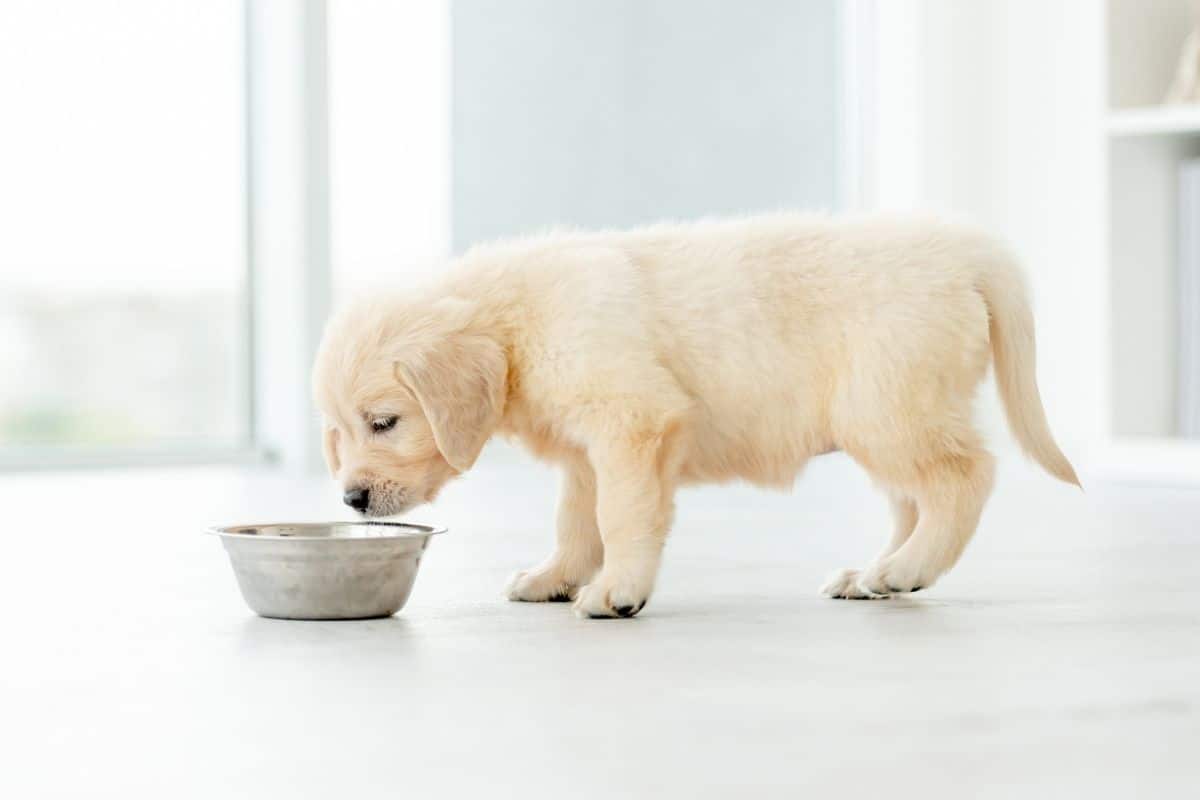
Bringing home a new puppy is an exciting experience filled with playful moments, cuddles, and important responsibilities. One of the biggest parts of raising a healthy puppy is providing proper nutrition from the very beginning. Puppies grow rapidly during their first year of life, and their dietary needs vary greatly depending on their breed size. Feeding a Chihuahua puppy is very different from feeding a Great Dane puppy, and understanding those differences can help set your pet up for a lifetime of good health.
At Edinburgh Animal Hospital, we are passionate about helping families provide the best possible care for their pets. If you are looking for trusted puppy care Chesapeake pet owners rely on, our veterinary team is here to guide you through every stage of puppyhood.
Why Proper Puppy Nutrition Matters
Puppies need balanced nutrition to support healthy growth, strong bones, brain development, muscle formation, and immune health. Feeding too much, too little, or the wrong type of food can contribute to developmental issues, obesity, digestive problems, and even orthopedic conditions later in life.
Puppy food is specially formulated to contain the correct balance of:
- Protein for muscle development
- Healthy fats for energy and brain growth
- Calcium and phosphorus for bones and teeth
- Vitamins and minerals for immune support
- DHA for cognitive development
Because breed size influences growth rate and nutritional requirements, choosing the right food for your puppy’s size category is essential.
Understanding Puppy Breed Size Categories
Puppies are generally divided into three size groups:
Small Breed Puppies
Adult weight: Under 20 pounds
Examples include:
- Chihuahuas
- Yorkshire Terriers
- Pomeranians
- Shih Tzus
Medium Breed Puppies
Adult weight: 20–50 pounds
Examples include:
- Cocker Spaniels
- Border Collies
- Bulldogs
Large and Giant Breed Puppies
Adult weight: Over 50 pounds
Examples include:
- Labrador Retrievers
- German Shepherds
- Golden Retrievers
- Great Danes
Each category has different feeding requirements and growth considerations.
Feeding Small Breed Puppies
Small breed puppies have extremely fast metabolisms. They burn calories quickly and need nutrient-dense meals throughout the day to maintain healthy energy levels.
How Often Should Small Breed Puppies Eat?
Most small breed puppies should eat:
- 3–4 meals daily until about 6 months old
- 2 meals daily after 6 months
Frequent meals help prevent low blood sugar, which can be dangerous in tiny puppies.
Nutritional Needs for Small Breeds
Small breed puppy foods are designed with:
- Smaller kibble sizes
- Higher calorie density
- Increased protein and fat content
Because small puppies have tiny stomachs, they need concentrated nutrition in every bite.
Common Feeding Mistakes
Pet owners sometimes overfeed small breeds because puppies always seem hungry. However, excessive treats and table scraps can quickly lead to unhealthy weight gain.
Stick to veterinarian-recommended feeding portions and avoid feeding human foods that may upset digestion.
Feeding Medium Breed Puppies
Medium breed puppies generally experience moderate growth rates and benefit from balanced, portion-controlled nutrition.
Feeding Schedule for Medium Breeds
Most medium breed puppies should eat:
- 3 meals daily until 6 months old
- 2 meals daily afterward
Nutritional Considerations
Medium breed puppies require:
- Balanced calcium and phosphorus levels
- Moderate calorie intake
- High-quality protein sources
Proper nutrition helps support steady growth without encouraging excessive weight gain.
Monitoring Growth
Your veterinarian can help track your puppy’s body condition score and ensure healthy development. Puppies should appear lean and active, not overweight.
At Edinburgh Animal Hospital, we help Chesapeake pet owners monitor puppy growth and make nutritional adjustments as their pets mature.
Feeding Large and Giant Breed Puppies
Large breed puppies require especially careful nutritional management. While it may seem beneficial for these puppies to grow quickly, rapid growth can actually increase the risk of orthopedic conditions.
Why Large Breed Nutrition Is Different
Large and giant breed puppies are more prone to:
- Hip dysplasia
- Elbow dysplasia
- Joint problems
- Bone development disorders
Feeding excessive calories or improper calcium levels can place stress on developing bones and joints.
Feeding Schedule for Large Breed Puppies
Most large breed puppies should eat:
- 3 meals daily until around 6 months
- 2 meals daily after that
Choosing Large Breed Puppy Food
Large breed puppy diets are specially formulated to:
- Support controlled growth
- Provide proper calcium-to-phosphorus ratios
- Maintain healthy joint development
Avoid feeding regular adult dog food or high-calorie puppy formulas not designed for large breeds.
How Much Should You Feed Your Puppy?
Every puppy is unique, and feeding amounts depend on:
- Breed
- Age
- Activity level
- Weight
- Overall health
While food packaging provides general guidelines, your veterinarian can offer personalized recommendations.
Signs Your Puppy May Be Overfed
- Rapid weight gain
- Difficulty feeling ribs
- Low energy
- Loose stools
Signs Your Puppy May Be Underfed
- Visible ribs or spine
- Poor growth
- Constant hunger
- Low energy levels
Routine wellness visits are an important part of monitoring your puppy’s nutritional health.
When to Transition From Puppy Food to Adult Food
Puppies should remain on puppy food until they finish growing.
Typical timelines include:
- Small breeds: Around 9–12 months
- Medium breeds: Around 12 months
- Large breeds: 12–18 months
- Giant breeds: Up to 24 months
Transitioning too early may deprive puppies of essential nutrients needed during development.
Your veterinarian can help determine the right time to switch foods.
Healthy Feeding Habits for Puppies
Creating healthy eating routines early can prevent future behavioral and health issues.
Establish Consistent Mealtimes
Scheduled feeding helps:
- Support digestion
- Aid in house training
- Prevent overeating
Avoid free-feeding unless specifically recommended by your veterinarian.
Limit Treats
Treats should make up no more than 10% of your puppy’s daily calories.
Healthy treat habits help prevent obesity and picky eating behaviors.
Always Provide Fresh Water
Hydration is essential for healthy growth and digestion.
Clean and refill your puppy’s water bowl daily.
Foods Puppies Should Never Eat
Certain foods are toxic or dangerous for dogs, including:
- Chocolate
- Grapes and raisins
- Onions and garlic
- Xylitol
- Alcohol
- Cooked bones
- Macadamia nuts
If your puppy accidentally consumes something harmful, contact your veterinarian immediately.
Why Veterinary Guidance Matters for Puppy Nutrition
Every puppy develops differently, and nutritional needs may change throughout growth stages. Veterinary guidance ensures your puppy receives the right nutrition at the right time.
Regular wellness exams help monitor:
- Weight gain
- Bone and joint development
- Digestive health
- Dental growth
- Overall wellness
Our team at Edinburgh Animal Hospital provides personalized puppy care Chesapeake families can trust. We take the time to educate pet owners about nutrition, preventive care, vaccinations, parasite prevention, and healthy development.
Why Pet Owners in Chesapeake Choose Us for Their Pet Health
Choosing the right veterinary team is one of the most important decisions you can make for your pet. Pet owners in Chesapeake choose Edinburgh Animal Hospital for compassionate care, experienced veterinarians, and personalized attention for every stage of life.
We understand that raising a puppy comes with many questions, and our team is here to support you every step of the way. From nutritional counseling and wellness exams to vaccinations and preventive care, we focus on helping your puppy grow into a healthy adult dog.
Whether you have a tiny toy breed or a giant breed puppy, we are committed to providing high-quality veterinary care tailored to your pet’s unique needs.
Give Your Puppy the Best Start in Life
Proper nutrition during puppyhood lays the foundation for lifelong health and happiness. Feeding your puppy according to their breed size can help support healthy growth, prevent future health problems, and ensure they thrive during every stage of development.
If you have questions about your puppy’s diet, growth, or overall wellness, the team at Edinburgh Animal Hospital is here to help. Book an appointment today to give your puppy the expert care they deserve.
FAQs
1. How often should I feed my puppy?
Ans: Most puppies need three to four meals daily when they are young. As they grow older, they can usually transition to two meals per day.
2. Does my puppy need breed-specific food?
Ans: Large breed puppies often benefit from specially formulated diets that support controlled growth and joint health. Your veterinarian can recommend the best option for your puppy.
3. When should I switch my puppy to adult dog food?
Ans: The transition depends on breed size. Small breeds may switch around 9–12 months, while large breeds may stay on puppy food until 18–24 months.
4. How do I know if I’m feeding my puppy too much?
Ans: Signs of overfeeding include excessive weight gain, difficulty feeling the ribs, and low activity levels. Routine veterinary checkups can help monitor healthy growth.
5. Can puppies eat homemade diets?
Ans: Homemade diets can lack important nutrients if not properly balanced. Always consult your veterinarian before feeding a homemade puppy diet.
6. Why is veterinary care important during puppyhood?
Ans: Regular veterinary visits help monitor growth, provide vaccinations, prevent parasites, and ensure your puppy receives proper nutrition and preventive care.

