
Hearing that your dog needs surgery can feel overwhelming, but proper preparation can make the experience smoother for both you and your pet. Whether your dog is scheduled for a routine spay or neuter procedure, dental surgery, or a more advanced operation, understanding what to expect before, during, and after surgery helps ensure a safer recovery and better outcome.
At Edinburgh Animal Hospital, we understand how important your pet is to your family. Our compassionate veterinary team is committed to providing high-quality veterinary pet surgery in Chesapeake while keeping pet owners informed and supported every step of the way.
If your dog is preparing for surgery, here’s everything you should know before the big day.
Why Dogs May Need Surgery
Veterinary surgery is often necessary to improve your dog’s health, comfort, and quality of life. Some surgeries are preventive, while others treat injuries, illnesses, or chronic conditions.
Common reasons dogs may need surgery include:
- Spaying or neutering
- Mass or tumor removal
- Dental extractions
- Orthopedic procedures
- Foreign object removal
- Wound repair
- Bladder stone removal
- Emergency surgery
- Soft tissue surgery
No matter the procedure, preparation plays an important role in helping your dog recover comfortably and safely.
Schedule a Pre-Surgical Veterinary Exam
Before surgery, your veterinarian will perform a complete physical examination to evaluate your dog’s overall health. This appointment allows the veterinary team to identify any underlying medical conditions that could affect anesthesia or recovery.
During the pre-surgical exam, your veterinarian may recommend:
- Bloodwork
- Urinalysis
- X-rays
- Cardiac evaluation
- Medication review
These tests help ensure your dog is healthy enough for anesthesia and surgery.
Pet owners looking for trusted pet surgery in Chesapeake often choose Edinburgh Animal Hospital because of our thorough pre-operative evaluations and personalized surgical care plans designed around each pet’s individual needs.
Follow Fasting Instructions Carefully
One of the most important steps before surgery is following your veterinarian’s fasting instructions.
In most cases, dogs should not eat after midnight the night before surgery. Food in the stomach during anesthesia increases the risk of vomiting and aspiration, which can lead to serious complications.
Your veterinarian will provide exact instructions regarding:
- Food restrictions
- Water intake
- Medication administration
- Morning routines
Puppies, senior dogs, and pets with medical conditions may require different instructions, so always follow the guidance provided by your veterinary team.
Keep Your Dog Calm Before Surgery
Dogs can often sense when something is different. Stress and anxiety before surgery can make the experience harder for both pets and owners.
Here are a few ways to help your dog stay calm:
- Maintain a normal routine the day before surgery
- Take your dog for a gentle walk
- Avoid stressful situations
- Bring a familiar blanket or toy
- Stay calm and reassuring during drop-off
A calm environment helps reduce stress levels and supports smoother anesthesia induction.
Understand the Anesthesia Process
Many pet owners are nervous about anesthesia, but modern veterinary medicine has made anesthesia safer than ever before.
During veterinary pet surgery in Chesapeake, your dog will be carefully monitored throughout the entire procedure. Monitoring typically includes:
- Heart rate
- Oxygen levels
- Blood pressure
- Temperature
- Respiratory rate
At Edinburgh Animal Hospital, patient safety is always a top priority. Our experienced veterinary team uses advanced monitoring equipment and customized anesthesia protocols to help keep pets safe and comfortable during surgery.
Understanding the anesthesia process can help ease your concerns and give you confidence in your dog’s care.
Prepare Your Home for Recovery
Your dog’s recovery begins the moment they return home. Preparing your home in advance can help create a safe and comfortable healing environment.
Consider setting up:
- A quiet recovery area
- Soft bedding
- Limited stair access
- Easy access to water
- A calm space away from children or other pets
Depending on the surgery, your veterinarian may recommend restricting activity for several days or weeks. Planning ahead can make recovery less stressful for everyone.
Know What to Expect After Surgery
After surgery, your dog may experience temporary side effects from anesthesia and pain medications.
Common post-surgical behaviors include:
- Sleepiness
- Mild disorientation
- Reduced appetite
- Temporary coughing
- Low energy
These effects usually improve within 24 hours.
Your veterinarian will provide detailed aftercare instructions that may include:
- Medication schedules
- Feeding recommendations
- Exercise restrictions
- Incision monitoring
- Follow-up appointments
Carefully following these instructions is essential for a successful recovery.
Monitor the Surgical Incision
One of the most important aspects of post-operative care is monitoring the incision site.
Check the incision daily for signs of:
- Redness
- Swelling
- Discharge
- Bleeding
- Bad odor
- Missing sutures
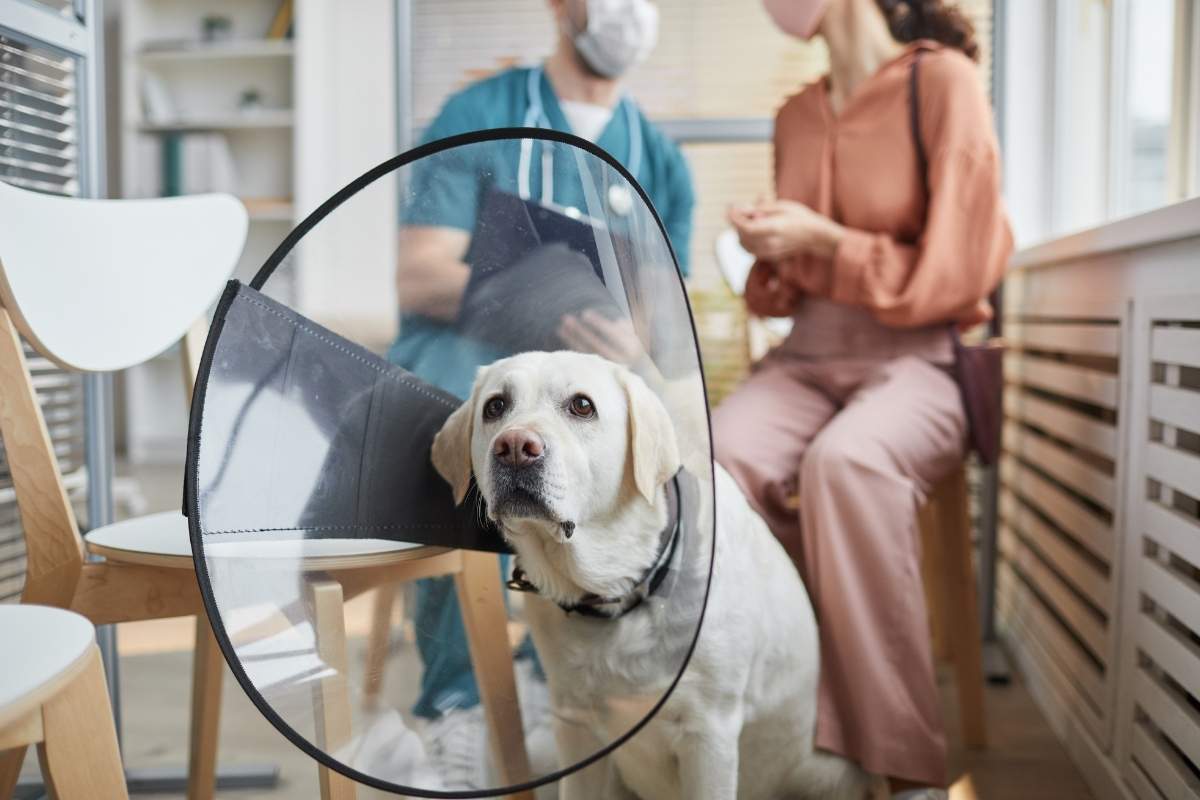
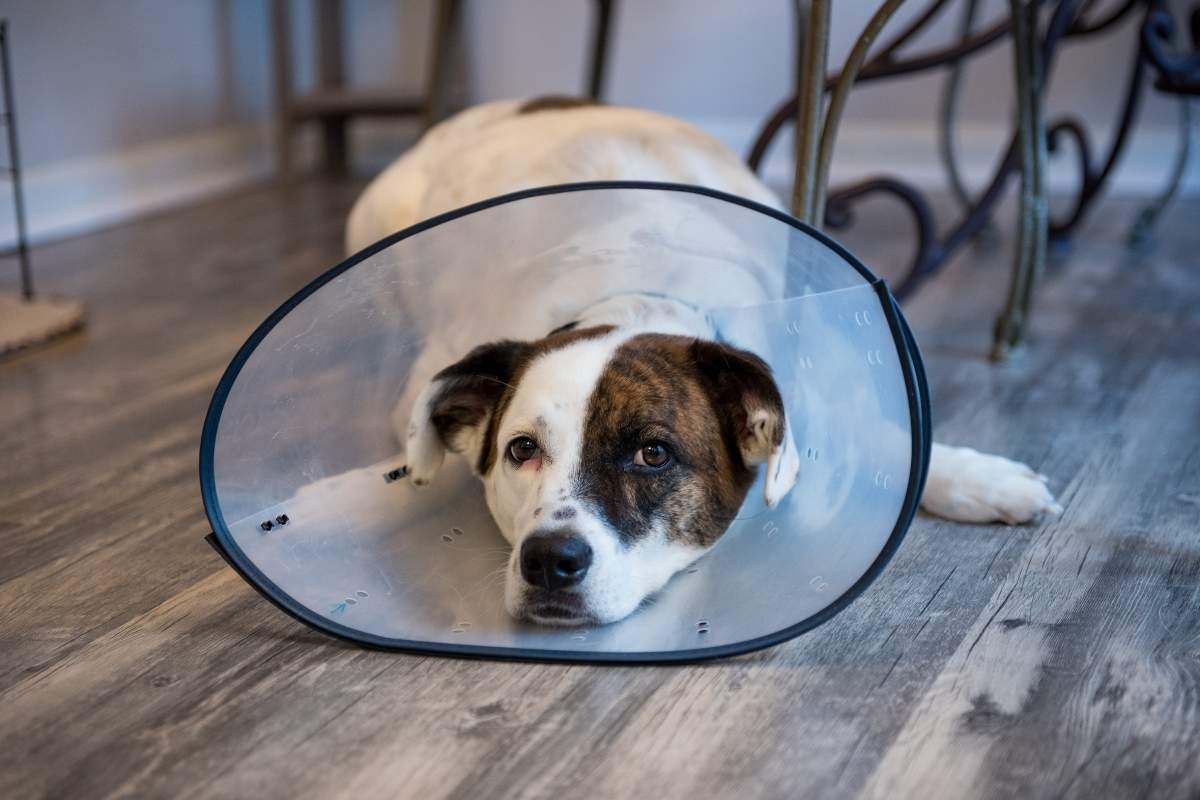
Prevent your dog from licking or chewing the incision, as this can lead to infection or delayed healing. Your veterinarian may recommend an e-collar or recovery suit to protect the area.
If you notice anything unusual, contact your veterinary team immediately.
Limit Activity During Recovery
Even if your dog seems to feel better quickly, internal healing takes time.
Too much activity after surgery can cause complications such as:
- Swelling
- Bleeding
- Torn sutures
- Delayed healing
Your veterinarian may recommend:
- Leash walks only
- No jumping or running
- Crate rest
- Restricted playtime
Following these guidelines helps support proper healing and reduces the risk of post-surgical complications.
Pain Management Matters
Pain management is an important part of veterinary surgery recovery.
Dogs often hide signs of pain, which is why prescribed pain medications should always be given exactly as directed.
Signs your dog may be uncomfortable include:
- Whining
- Panting
- Restlessness
- Loss of appetite
- Reluctance to move
- Trembling
Never give human pain medications unless specifically instructed by your veterinarian, as many are toxic to dogs.
At Edinburgh Animal Hospital, we prioritize compassionate pain management to help pets recover as comfortably as possible after pet surgery in Chesapeake.
Why Pet Owners in Chesapeake Choose Edinburgh Animal Hospital for Their Pet Health
Choosing the right veterinary team for surgery is one of the most important decisions a pet owner can make.
Pet owners in Chesapeake choose Edinburgh Animal Hospital for their pet health because we combine advanced veterinary care with compassionate, personalized service. Our experienced team understands that surgery can feel stressful, which is why we focus on clear communication, patient safety, and individualized treatment plans.
We are proud to provide:
- Comprehensive surgical services
- Advanced monitoring technology
- Experienced veterinary professionals
- Personalized anesthesia protocols
- Thorough post-operative care
- Compassionate support for pets and owners
Our goal is to help every patient receive safe, effective care while giving pet owners peace of mind throughout the surgical process.
Questions to Ask Before Your Dog’s Surgery
Being informed can help you feel more confident before your dog’s procedure.
Consider asking your veterinarian:
- What does the surgery involve?
- How long will recovery take?
- What restrictions will my dog have afterward?
- What medications will be prescribed?
- What complications should I watch for?
- When should I schedule a follow-up visit?
Open communication with your veterinary team helps ensure you fully understand your dog’s treatment and recovery plan.
Helping Your Dog Recover Comfortably
Every dog heals differently, but patience and attentive care make a big difference during recovery.
You can support healing by:
- Keeping follow-up appointments
- Giving medications on schedule
- Monitoring the incision
- Preventing excessive activity
- Providing a calm recovery environment
- Contacting your veterinarian with concerns
With proper preparation and post-operative care, many dogs recover quickly and return to their normal routines sooner than expected.
Trust Edinburgh Animal Hospital for Veterinary Pet Surgery in Chesapeake
When your dog needs surgery, choosing an experienced and compassionate veterinary team matters. At Edinburgh Animal Hospital, we are dedicated to providing safe, high-quality veterinary pet surgery in Chesapeake with personalized care tailored to your pet’s needs.
From pre-surgical evaluations to recovery support, our team is here to guide you through every stage of the process.
If your dog is scheduled for surgery or showing signs of a condition that may require surgical care, book an appointment with our experienced veterinary team today.
FAQs
1. How should I prepare my dog the night before surgery?
Ans: Most dogs should stop eating after midnight before surgery, though water may still be allowed. Follow your veterinarian’s instructions carefully and keep your dog calm and comfortable.
2. Is anesthesia safe for dogs?
Ans: Modern veterinary anesthesia is generally very safe when proper monitoring and pre-surgical testing are performed. Your veterinarian will evaluate your dog’s health before surgery to minimize risks.
3. How long does it take for dogs to recover after surgery?
Ans: Recovery time depends on the type of surgery and your dog’s overall health. Some procedures require only a few days of rest, while others may need several weeks of restricted activity.
4. Why is my dog sleepy after surgery?
Ans: Drowsiness is common after anesthesia and pain medications. Most dogs return to normal energy levels within 24 hours.
5. How do I stop my dog from licking the incision?
Ans: Your veterinarian may recommend an e-collar or recovery suit to prevent licking, chewing, or scratching the surgical site.
6. When should I contact my veterinarian after surgery?
Ans: Call your veterinarian if you notice swelling, bleeding, discharge, vomiting, difficulty breathing, loss of appetite, or unusual behavior during recovery.