
Post surgery recovery is a critical phase in your pet’s healing journey. Even after a successful procedure, proper care at home plays a major role in ensuring a smooth and safe recovery. Many pet owners unintentionally make mistakes that can slow healing or cause complications. Understanding these common errors can help you protect your pet and support a faster recovery with guidance from a trusted vet or veterinarians.
Below are the 10 most common post surgery mistakes pet owners make and how to prevent them effectively.
1. Ignoring Rest and Activity Restrictions
One of the most common mistakes is allowing pets to resume normal activity too soon. Jumping, running, or playing can disrupt stitches or internal healing.
How to prevent it
Follow your veterinarian’s instructions strictly regarding crate rest or limited movement. Keep your pet in a calm, confined space during recovery.
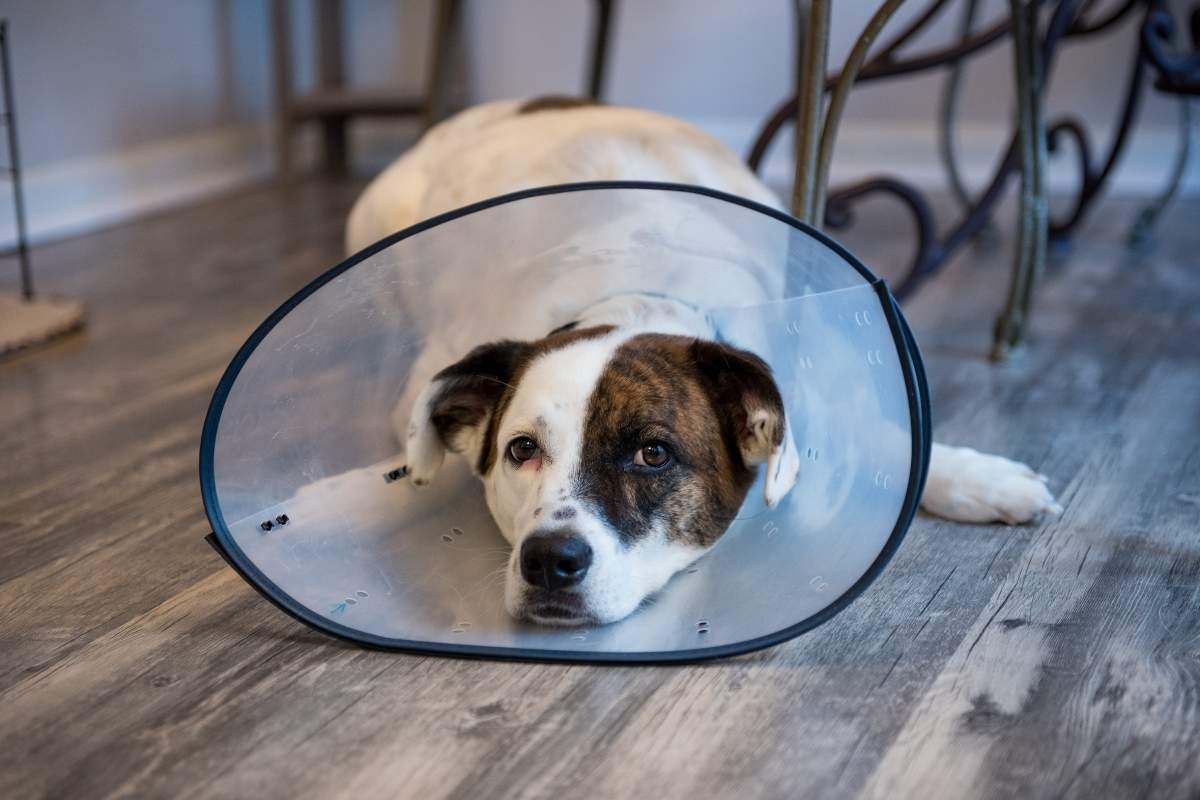
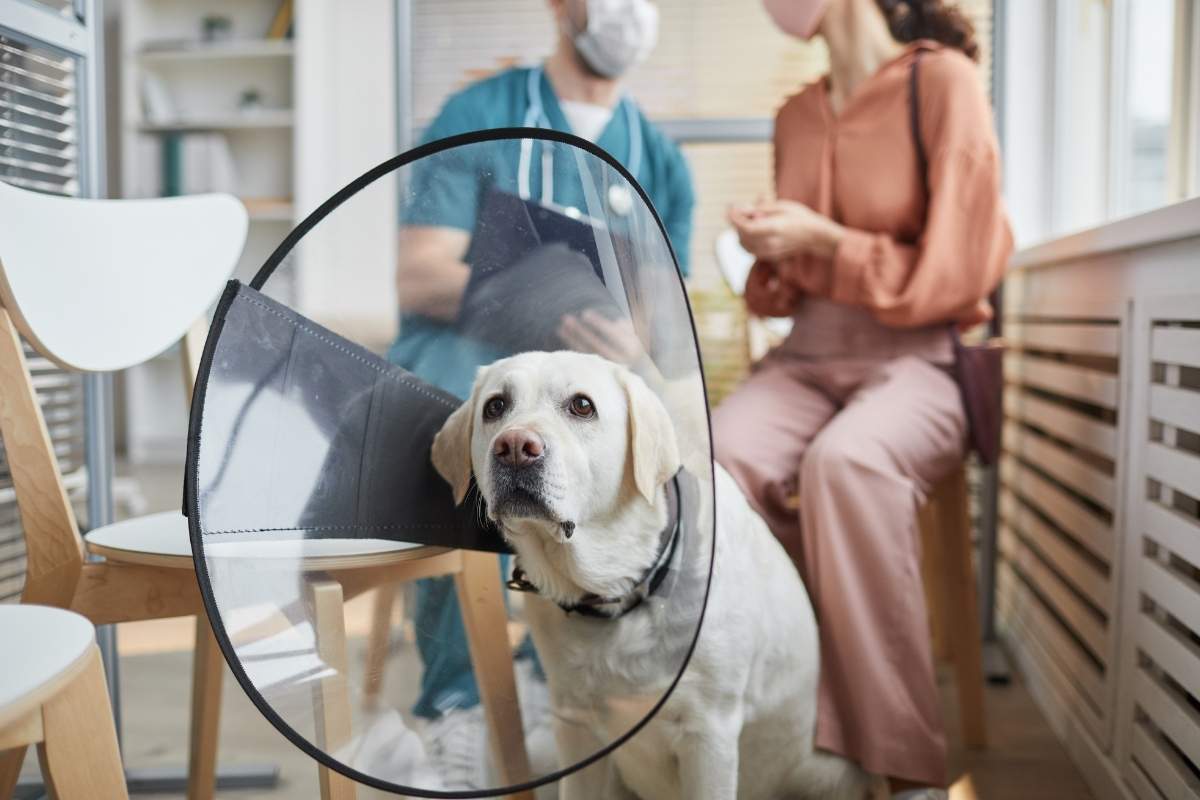
2. Not Using the Elizabethan Collar Properly
Pets often try to lick or bite their incision site, which can lead to infection or reopened wounds. Some owners remove the protective cone too early.
How to prevent it
Ensure your pet wears the recovery collar as long as advised by your vet. It is essential for protecting surgical sites.
3. Skipping Medications or Giving Incorrect Doses
Pain medications and antibiotics are critical after surgery. Missing doses or incorrect administration can slow recovery or cause complications.
How to prevent it
Stick to the prescribed schedule exactly. If you have concerns, contact your veterinarian instead of adjusting doses yourself.
4. Improper Wound Monitoring
Some pet owners either ignore the incision site or check it too aggressively, increasing the risk of irritation or infection.
How to prevent it
Inspect the wound daily for redness, swelling, discharge, or odor. Report any unusual signs immediately to your vet.
5. Bathing Too Soon After Surgery
Bathing or allowing the incision to get wet too early can introduce bacteria and delay healing.
How to prevent it
Avoid baths until your veterinarian confirms it is safe. Keep the area clean and dry during the recovery period.
6. Allowing Excessive Interaction with Other Pets
Other pets in the household may accidentally bump, lick, or play roughly with the recovering animal.
How to prevent it
Isolate your pet in a quiet recovery area away from other animals until healing progresses.
7. Poor Nutrition During Recovery
Some pets lose appetite after surgery, while others are fed inappropriate treats or food that can upset digestion.
How to prevent it
Offer a balanced, vet approved diet and ensure your pet stays hydrated. If appetite does not return, consult your veterinarian.
8. Ignoring Signs of Pain or Discomfort
Pets often hide pain, and subtle signs like whining, reduced movement, or restlessness may be overlooked.
How to prevent it
Observe behavior closely and report changes to your vet. Pain management is essential for proper healing.
9. Not Attending Follow Up Visits
Some owners assume recovery is complete if the pet looks fine externally, skipping important follow up appointments.
How to prevent it
Always attend scheduled check ups. Your veterinarians will assess healing progress and remove stitches if needed.
10. Delaying Emergency Care When Problems Arise
Waiting too long when complications appear can make the situation worse.
How to prevent it
Contact your vet immediately if you notice bleeding, swelling, vomiting, or unusual behavior. Early intervention is crucial.
Importance of Professional Veterinary Guidance
Post surgical care is not something to manage alone. Your vet provides essential instructions tailored to your pet’s specific procedure. At Edinburgh Animal Hospital, experienced veterinarians guide pet owners through every step of recovery to ensure safe healing and comfort.
If your pet is recovering from surgery or preparing for one, it is always best to schedule an appointment one time for a proper evaluation and recovery plan. Professional supervision ensures your pet receives the best possible care.
Final Thoughts
Avoiding these common post surgery mistakes can significantly improve your pet’s recovery experience. Proper rest, medication adherence, wound care, and regular veterinary support are the keys to healing success. With careful attention and guidance from a trusted vet, your pet can return to normal life safely and comfortably.
FAQs
1. How long does it take for a pet to recover after surgery?
Ans: Recovery time depends on the type of surgery. Minor procedures may take a few days, while major surgeries can take several weeks.
2. Can my pet walk around after surgery?
Ans: Light movement may be allowed, but strenuous activity should be restricted as advised by your veterinarian.
3. What should I do if my pet licks the surgical site?
Ans: Use an Elizabethan collar immediately and contact your vet if the wound looks irritated or open.
4. Is it normal for pets to eat less after surgery?
Ans: Yes, mild appetite loss can happen, but if it continues beyond a day or two, consult your veterinarian.
5. When should stitches be removed?
Ans: Stitch removal typically occurs 10 to 14 days after surgery, depending on healing progress.
6. What signs indicate post surgery complications?
Ans: Signs include swelling, discharge, bleeding, fever, or unusual behavior. Contact your vet immediately if these occur.